“Truly exceptional, if not the most exceptional team of working-at-height experts I've ever worked with. Every job is executed with precision and professionalism.”
KP
Krishna Pryor
Palmiye Australia


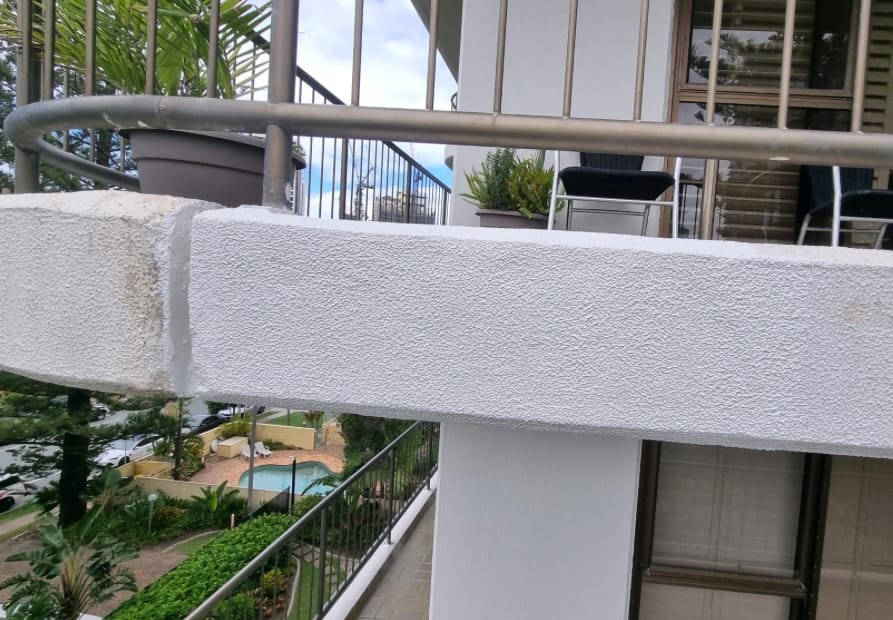
If you can see cracking, concrete spalling, rust staining or excessive efflorescence, it should be rectified before it grows into a larger and more expensive problem.
Concrete damage is progressive. What starts as a hairline crack or a rust stain is usually the visible tip of a process already happening inside the slab or column. Water gets in, reinforcement starts to corrode, the corroding steel expands, and that expansion cracks and blows off the surrounding concrete (spalling). Left alone, the affected area keeps growing, so the cheapest day to fix it is always today.
For example, a 1m crack will cost roughly $50 to $300 to repair. If ignored, that crack can let water into the concrete and cause accelerated spalling, and a metre of concrete spalling will likely cost between $900 and $5,500 to repair correctly, depending on location. A prompt, proactive approach is essential to lowering façade repair and maintenance costs.
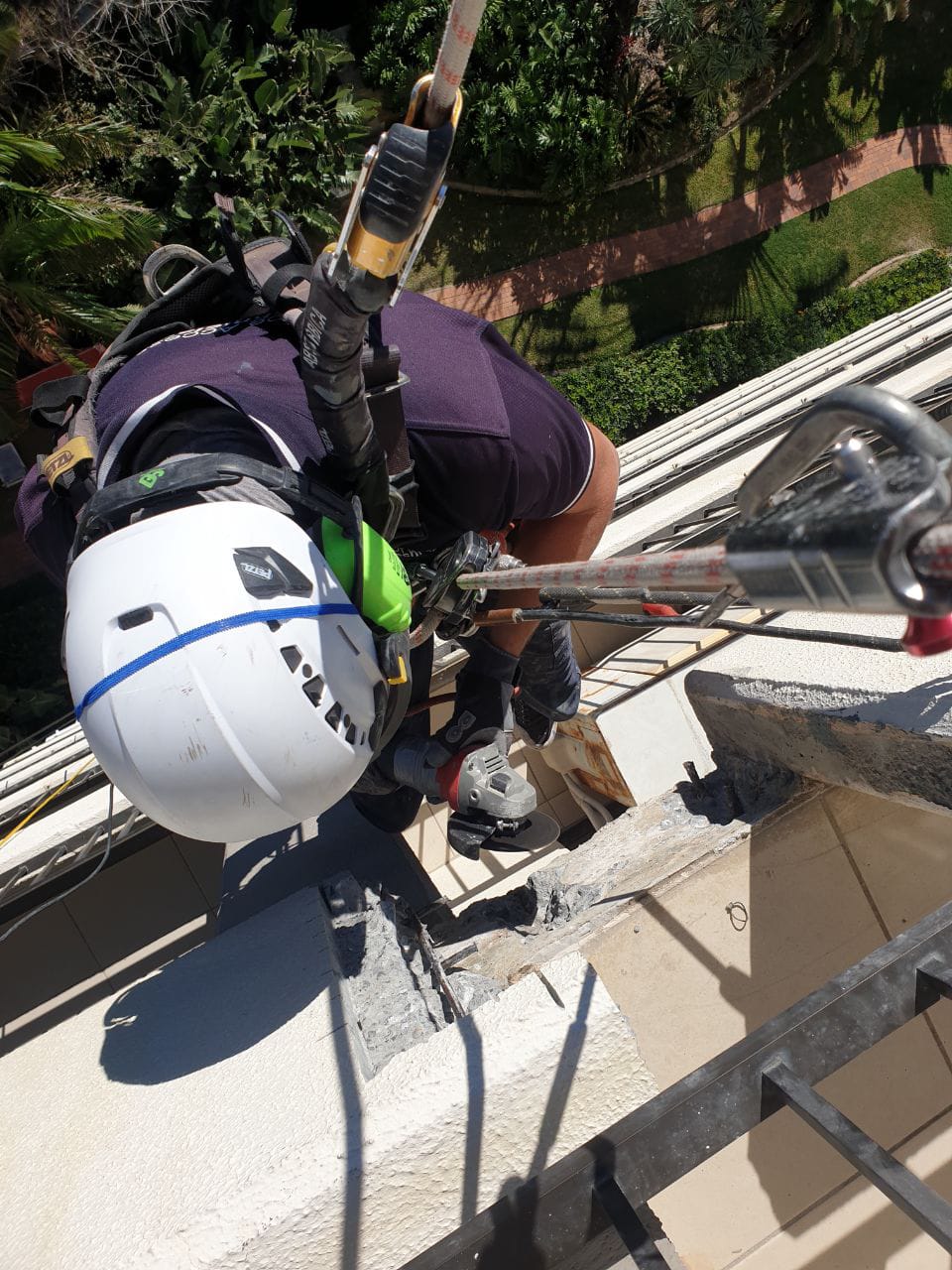
Most concrete failure on buildings comes down to the reinforcing steel inside it corroding. Concrete is naturally alkaline, and that alkalinity forms a protective film around the steel. Two things break that protection:
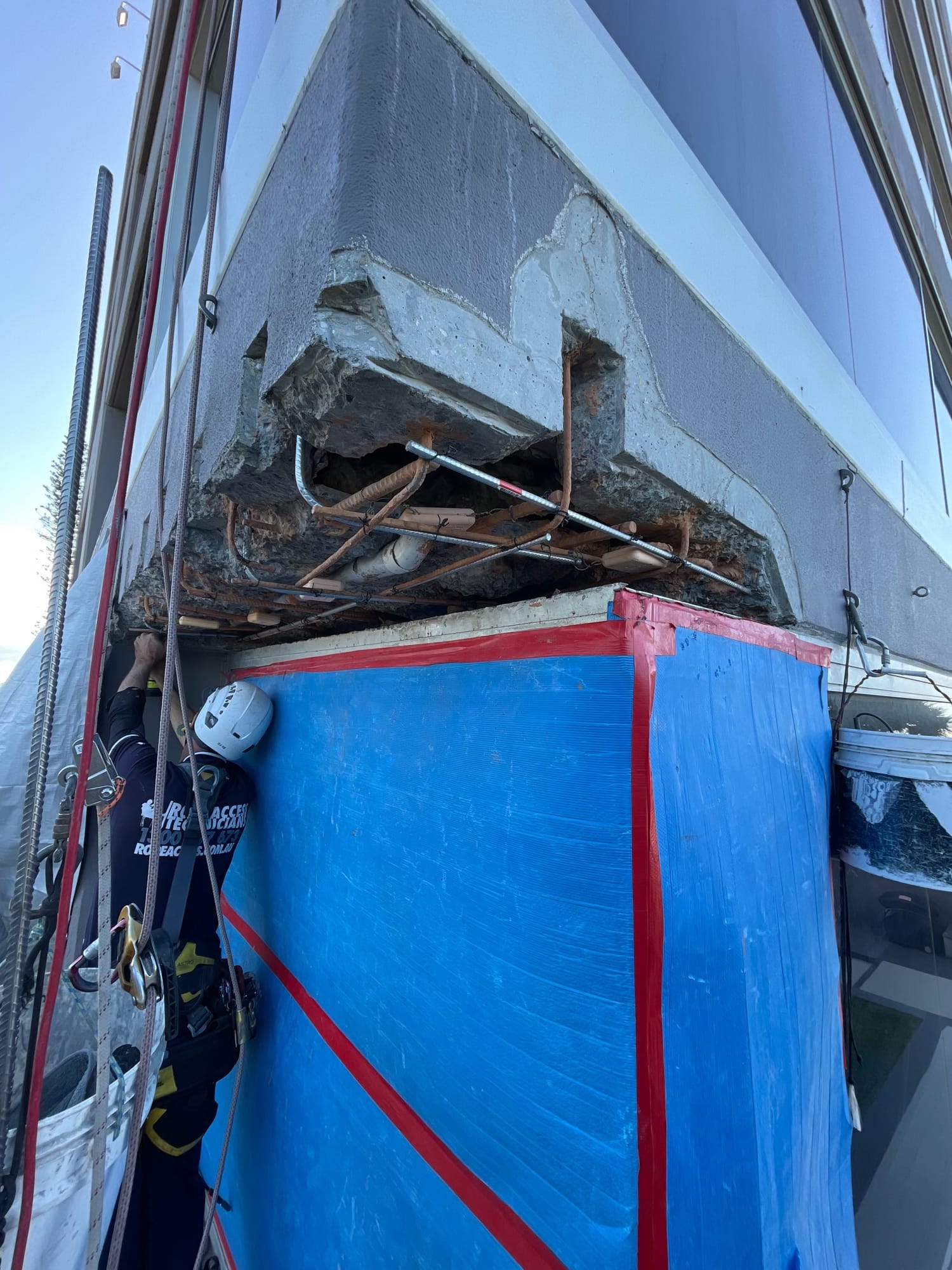
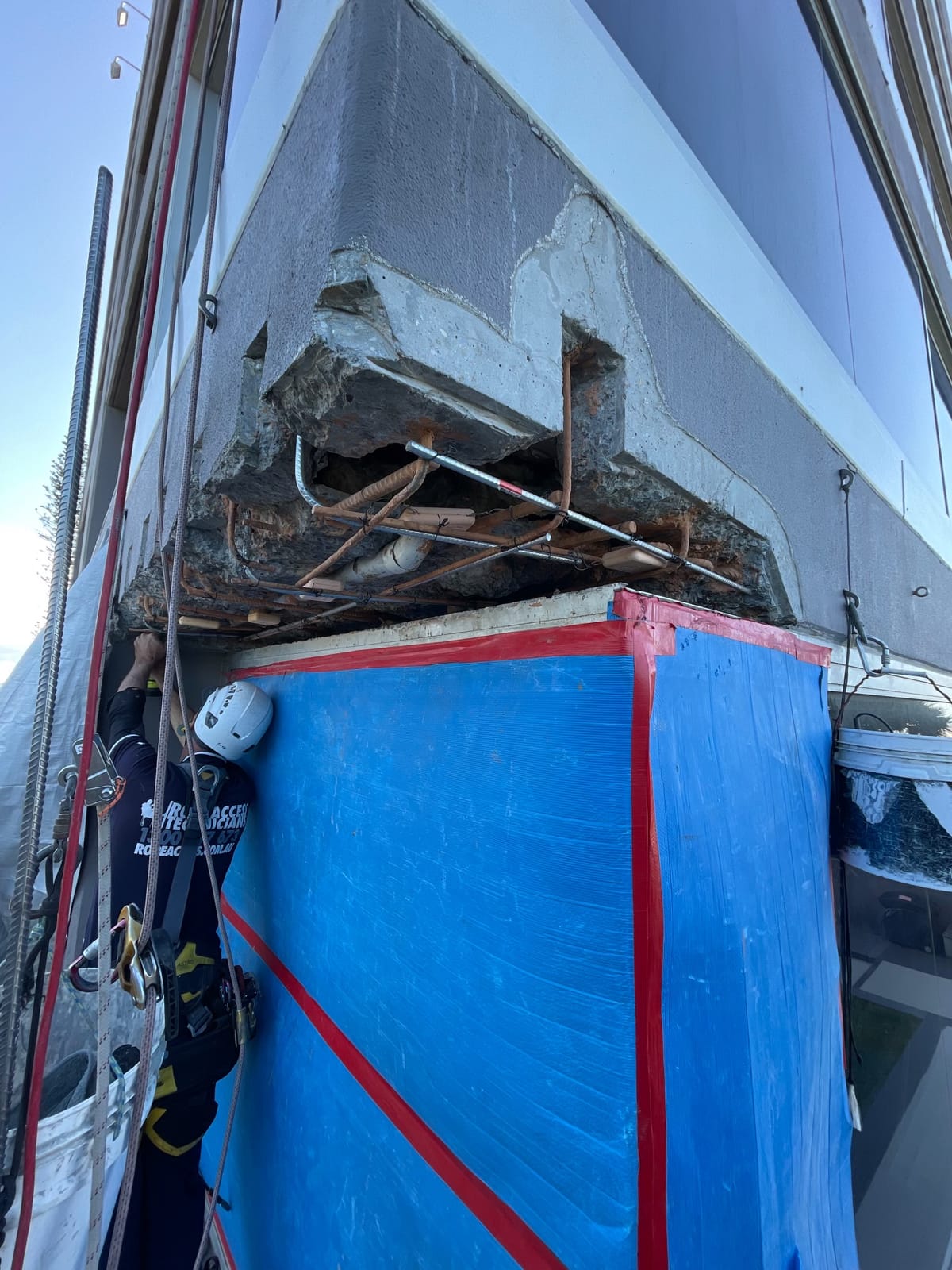
Once steel starts corroding it expands to several times its original volume, and that expansion is what cracks and spalls the cover concrete. So a rust stain or a spall is rarely a surface problem; it is a signal about the steel behind it.
There is no single "concrete repair." The right method depends on what is failing and why:
A rust stain tells you iron is corroding somewhere, but not how serious it is. The key distinction is between surface staining and live (active) corrosion of the structural reinforcement, and they are not the same job.
Surface staining is often caused by contaminants left in or on the concrete during construction: tie wire, nails, formwork offcuts, bar chairs. These corrode, bleed a stain to the surface and look alarming, but the structural reinforcement may be untouched. The fix is comparatively minor: locate and remove the contaminant, treat the area and make good.
Live corrosion is the structural reinforcement itself actively corroding. This is the serious case. The steel is expanding, the cover concrete is being pushed off from behind, and the cross-section of load-bearing steel is being eaten away.
The problem is you often can't tell which one you're looking at from the ground. That is why investigation matters, and why a cheap "paint over the stain" response can hide an advancing structural problem for years.
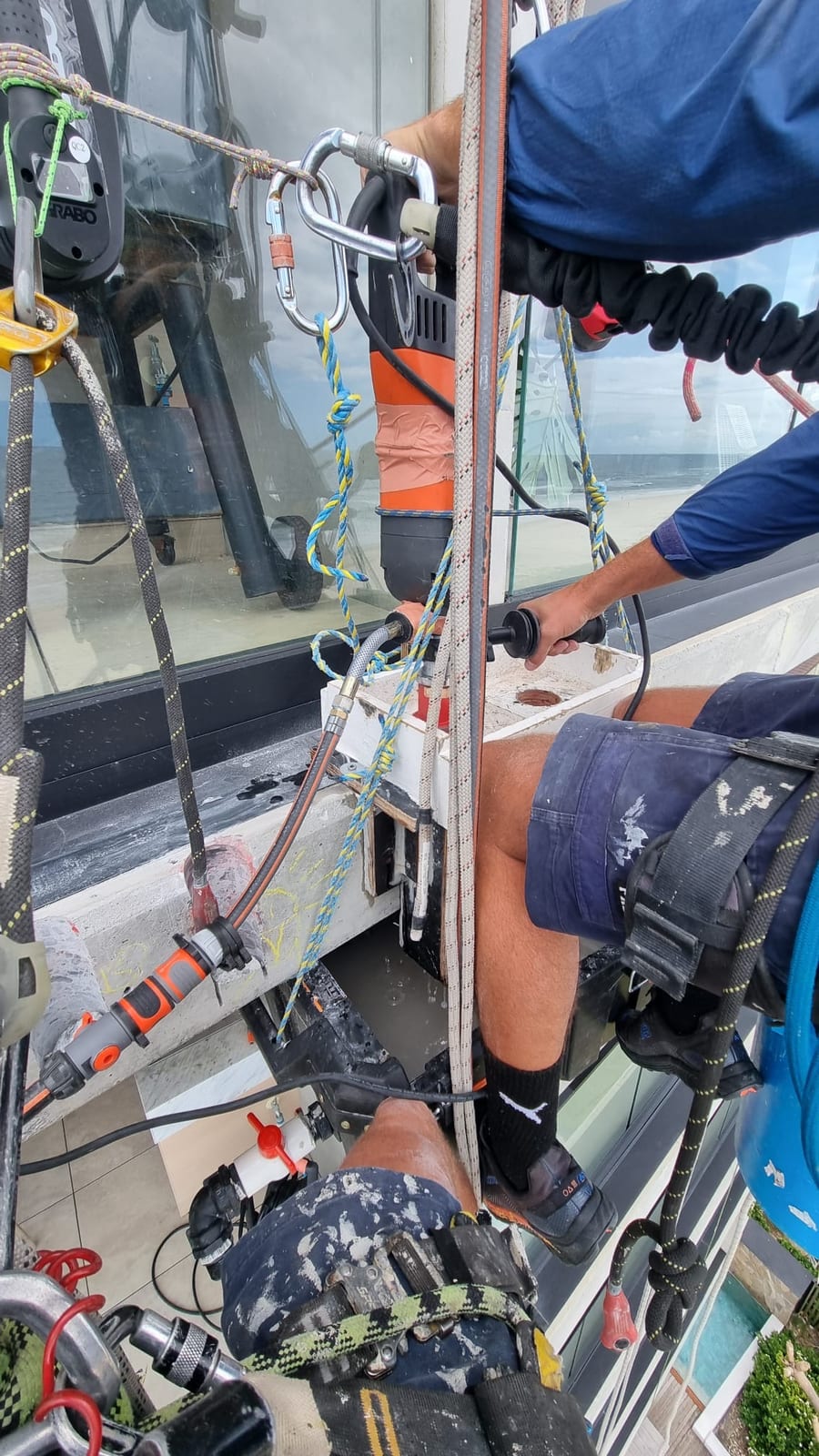
Doing it properly is more work than most people expect, and that is the point. The corroding steel's entire length needs to be excavated, including 20mm behind the bar, then all rust removed from the reinforcement back to a bright condition. The final repair is usually a lot larger than the visible spall.
We excavate behind the bar because if any corroded or contaminated concrete is left touching the steel, corrosion just keeps going under your new patch. Cleaning the steel back to bright metal removes the corrosion product and gives the repair mortar something sound to bond to.
When you consider that the life of a poor repair might be as little as 12 to 24 months, and a good repair might last 10 to 30 years, spending the money upfront is clearly the wise decision.
Because the cheapest version of the repair treats the symptom, not the mechanism, and often causes the next failure.
We see a lot of owners and committees make price-driven decisions around concrete repairs, engaging the cheapest contractors who don't complete the work correctly, only to have it reappear in the exact same locations a couple of years later. It is far more economical to engage a professional, skilled and thorough contractor and only pay once.
There is a specific technical reason this happens, called the incipient anode (or "halo") effect. When you patch one spall, the freshly repaired, high alkaline zone becomes electrochemically different from the older, chloride or carbonation affected concrete right next to it. That difference can drive fresh corrosion in the steel immediately adjacent to your new patch, so a new spall pops up in a ring around the old repair a year or two later. This is exactly why patch only repairs on chloride affected structures fail.
All our senior staff hold Australian Concrete Repair Association (ACRA) concrete repair training, and we complete our repairs following Standards Australia Handbook 84:2018, Guide to Concrete Repair and Protection where possible.
The single most important question with any crack is: is it moving or not? Get that wrong and the repair fails almost immediately. A rigid filler in a moving crack will simply crack again; a flexible sealant in a crack that needed structural rebonding won't restore strength.
A static crack isn't expected to open and close with load or temperature. These can be repaired rigidly, typically opened out slightly and filled with a cementitious mortar or low viscosity resin to seal the crack and restore a continuous surface.
A movement crack opens and closes with thermal expansion, structural deflection or movement between building elements. It has to be repaired as a flexible joint, not filled solid:
Where a crack needs to be structurally rebonded or made watertight, we inject it under pressure. Epoxy injection is a rigid, high strength resin that structurally rebonds the concrete across a static crack. Polyurethane injection is a flexible resin used mainly to stop water through cracks (tanks, basements, below ground structures); it reacts with water and expands to seal the path.
Because of chlorides, which is salt. On the coast, airborne and wind driven salt spray settles on the building and gradually penetrates the concrete. Once chloride ions reach the reinforcing steel in enough concentration, they break down its protective layer and switch on corrosion, even in otherwise sound, alkaline concrete. Chloride induced corrosion is aggressive and it pits: it can eat deep into a bar in a small spot rather than evenly.
This is why coastal high-rise, balconies, soffits and anything facing the water tend to spall far earlier than equivalent inland buildings, and why "just patch it" so reliably fails here.
On chloride affected concrete, sacrificial anodes are one of the most effective ways to make a repair actually last. A sacrificial anode is a small piece of a more reactive metal (typically zinc), electrically connected to the reinforcing steel and embedded in or around the repair.
Because zinc is more reactive than steel, it corrodes preferentially: it "sacrifices" itself so the steel doesn't. That protects the reinforcement in the repair zone and suppresses the incipient anode effect around the patch, so you don't get that ring of new spalls next to your repair. On coastal buildings this is often the difference between a repair that lasts a couple of years and one that lasts decades. It is a comparatively small cost that protects the much larger cost of the repair itself.
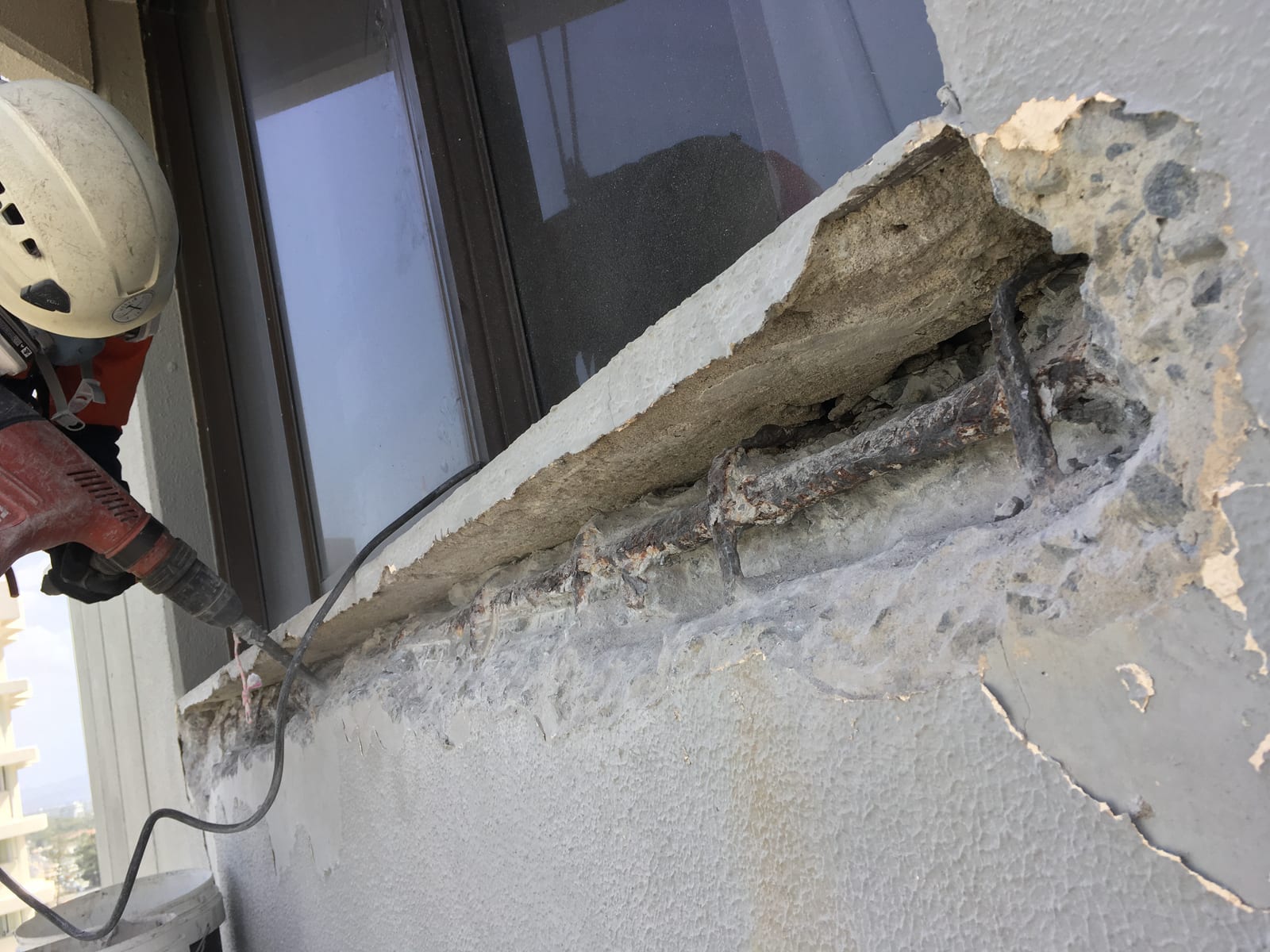
Because the visible damage is almost never the full extent of the damage, and on a façade, most of what is failing can't be seen or reached from the ground.
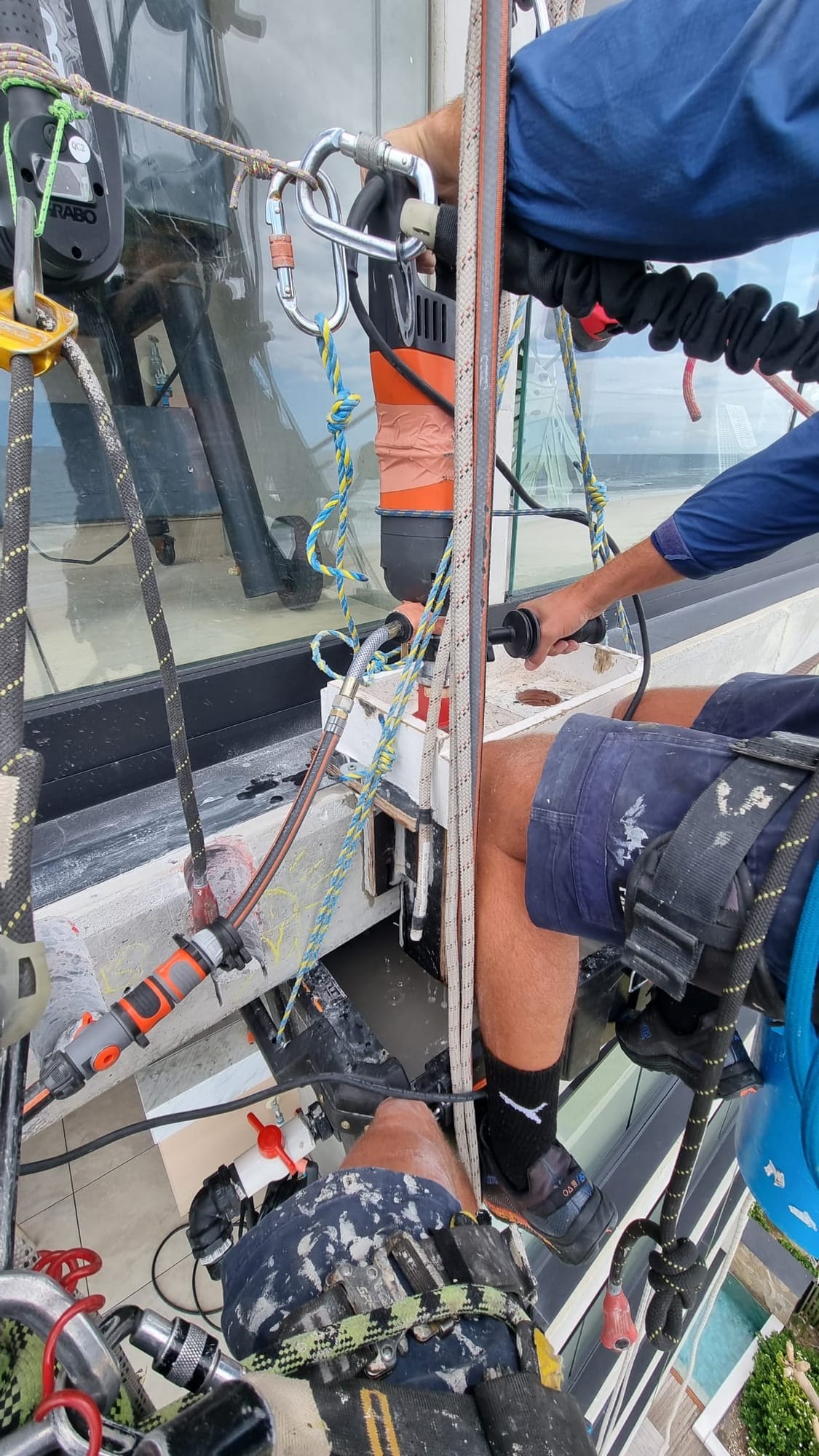
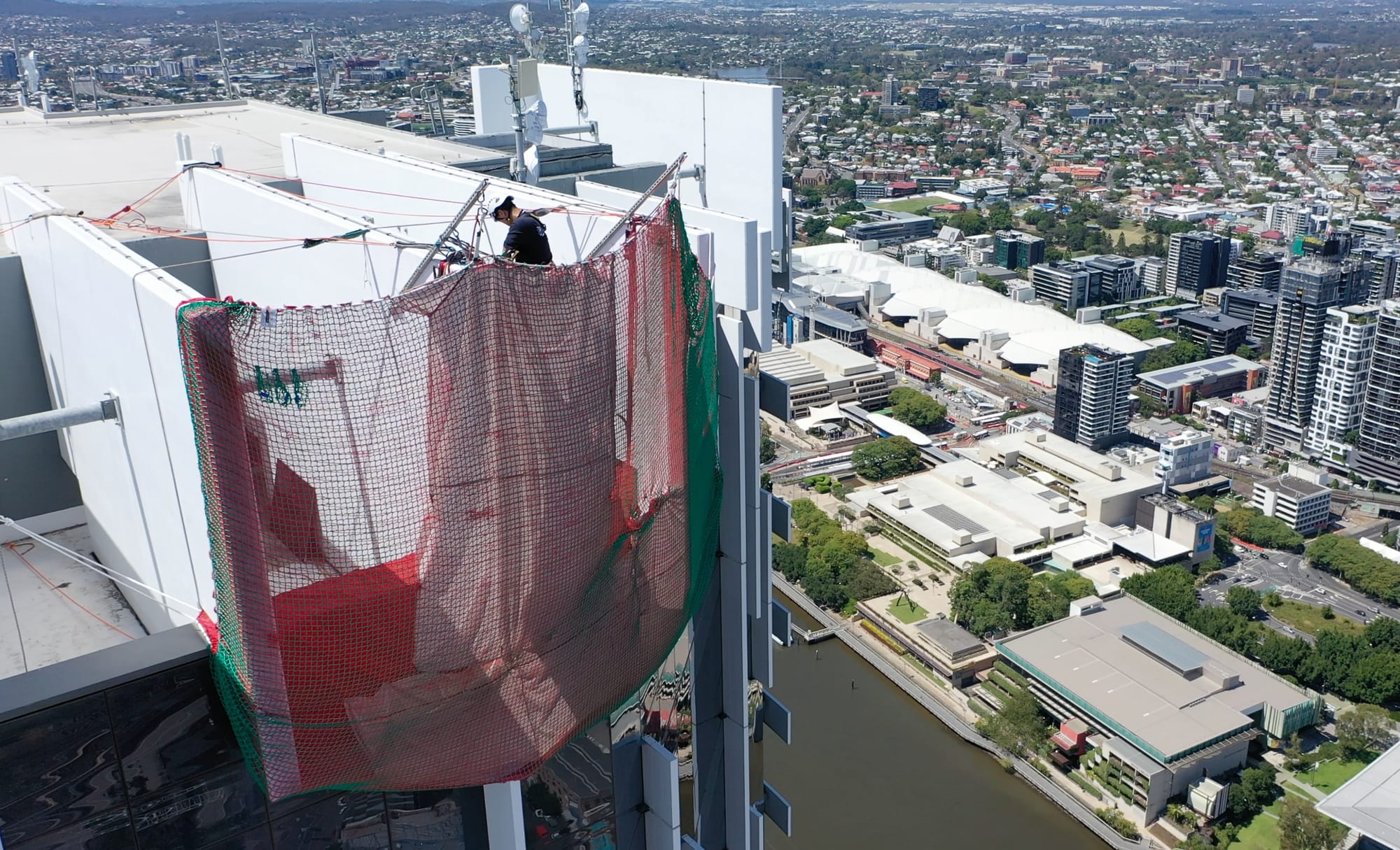
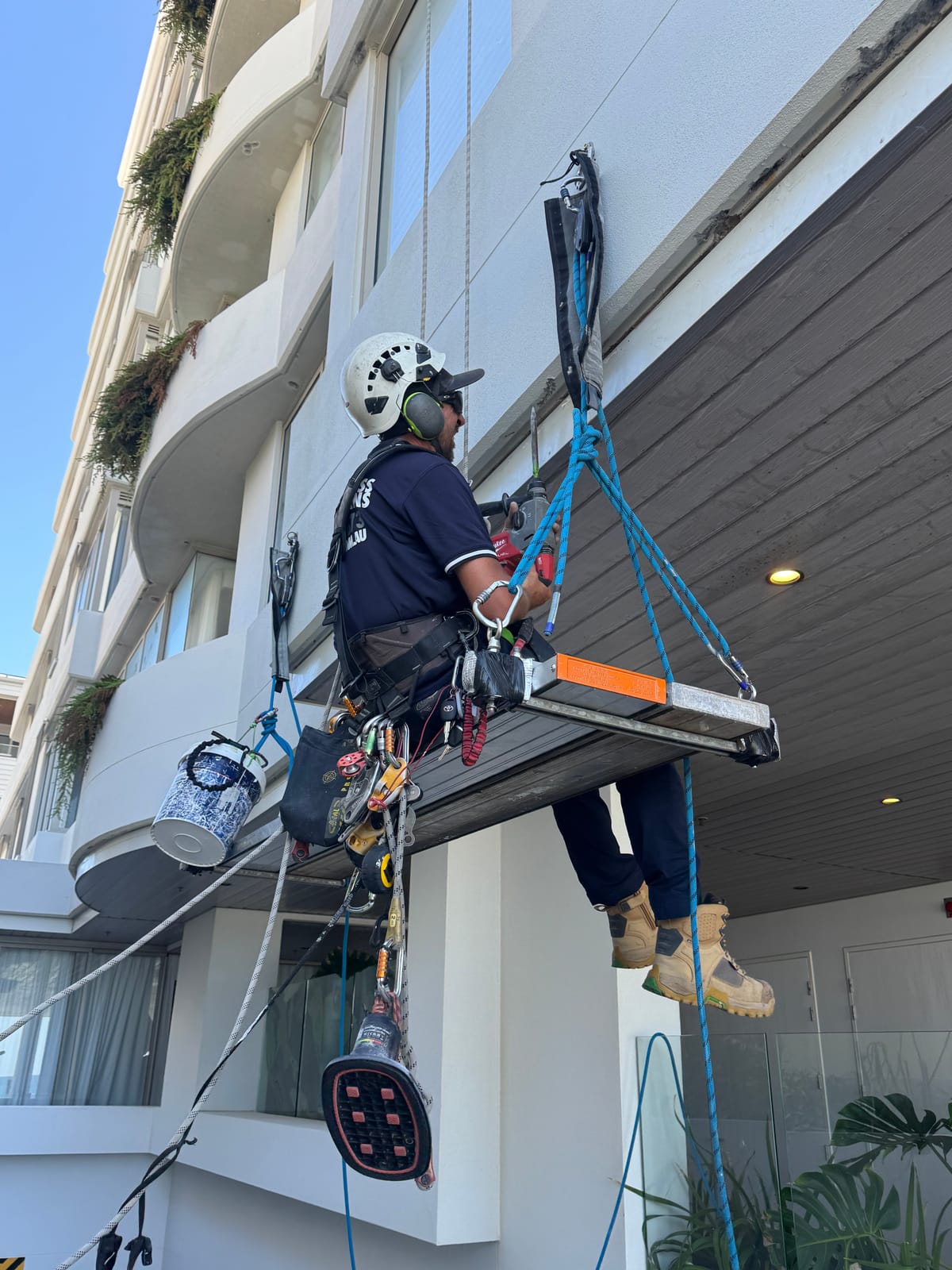
A close-up façade inspection (usually hands on, often by rope access) finds the damage you can't see (drummy concrete that hasn't spalled yet, cracking on high elements, corrosion starting on soffits and balcony edges), sounds out the true extent by tapping for delamination, and turns guesswork into a real, priceable scope.
A visual and tap testing inspection doesn't measure the damage perfectly. Concrete hides a lot. What it does is give you something tangible and defensible to work from rather than a guess. As a rule of thumb we see around a 25% variance between what an inspection identifies and what actually gets broken out. That is normal, and something a sensible schedule of rates accounts for.
On one job, an assessment done without a proper hands on inspection had assumed the building needed around 500 litres of repair material. When we actually got across the façade and measured the real extent, it needed closer to 8,000 litres, about sixteen times the estimate. That is not a rounding error; it is the difference between a minor maintenance item and a major remediation project, and the only reason to find that out early is a proper inspection.
Concrete repairs are usually measured by the quantity actually carried out, by area (m²), length (lineal metres of crack) or volume of repair material (litres), rather than a single lump sum, because nobody can see the full extent until the concrete is opened up.
A schedule of rates fixes the price per unit of each repair type up front, and you pay for the actual quantity done, measured as work proceeds. It is the fairest model: you don't pay for damage that isn't there, you're covered for damage that turns out worse, every unit is priced transparently, and it matches how the damage genuinely behaves.
A day rate charges for crew and equipment per day. It suits investigative work, access heavy tasks, or jobs where the scope is genuinely open ended.
You can't know how big a concrete repair is until it is opened up. So a genuine fixed price is built on a guess about hidden damage, and it goes one of two ways. The contractor pads the price to cover the unknown, so you overpay if the damage is minor; or they price it lean to win the job, then hit you with variations the moment the concrete is opened. Either way the "certainty" is largely an illusion. A schedule of rates backed by a proper inspection protects you better.
Sometimes a fixed price is unavoidable, whether from funding, tender rules, or a committee that needs a single number. If so, base it on the fullest possible investigation and agree a clear rate for variations up front. For large remediation projects we recommend engaging a structural engineer or project manager: an independent party can verify quantities and sign off variations objectively, which protects the building owner and a good contractor alike.
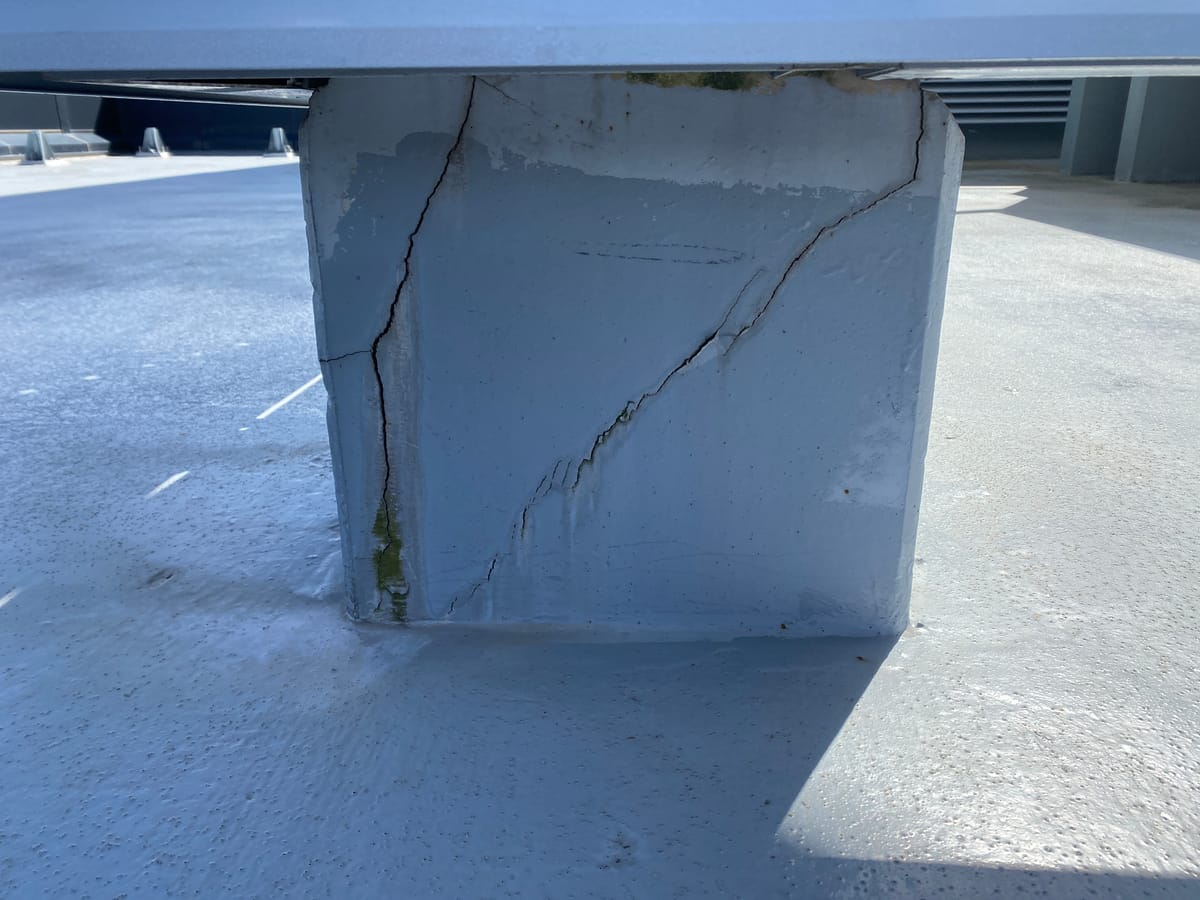
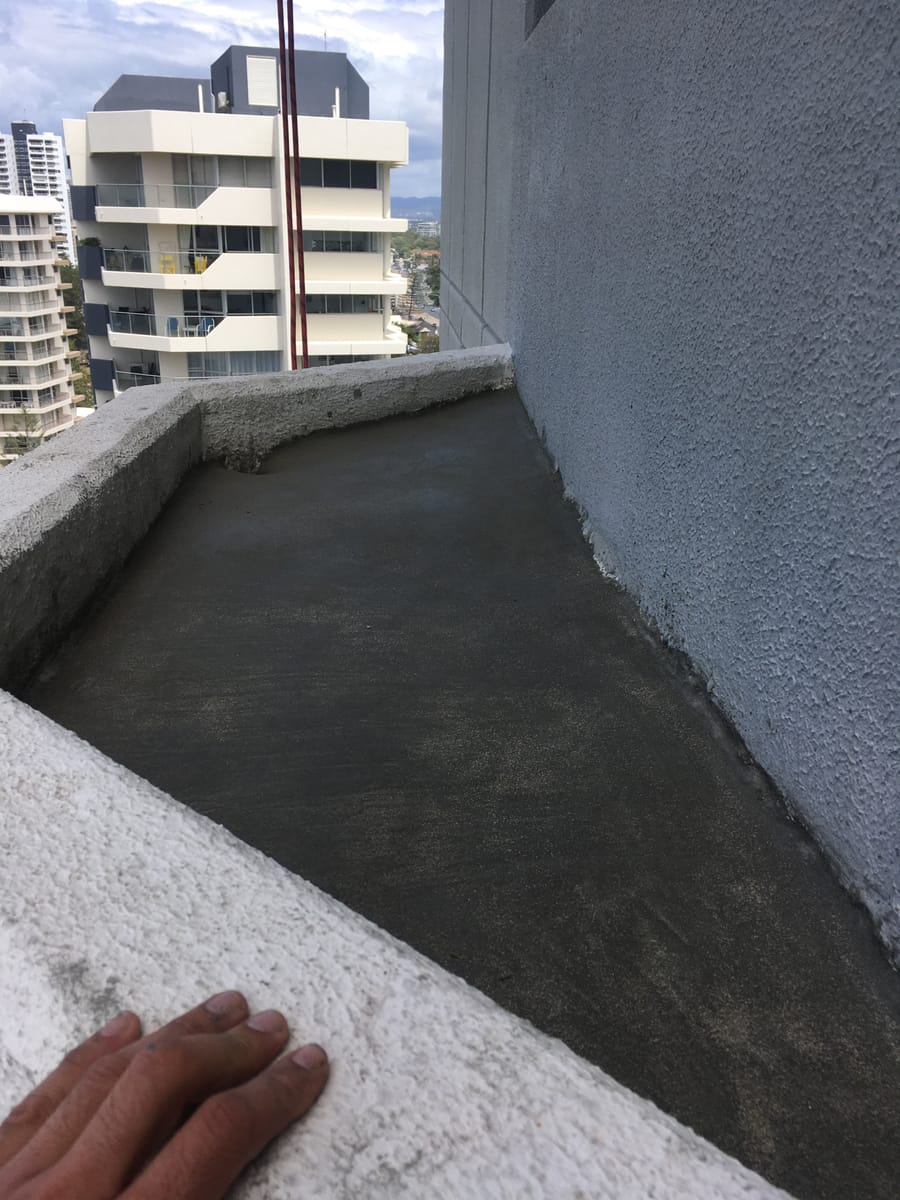
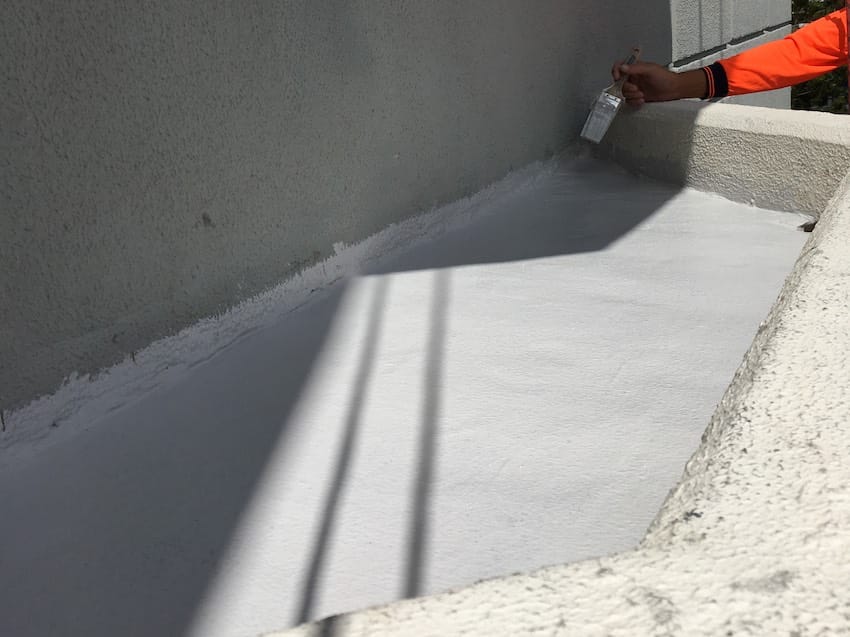
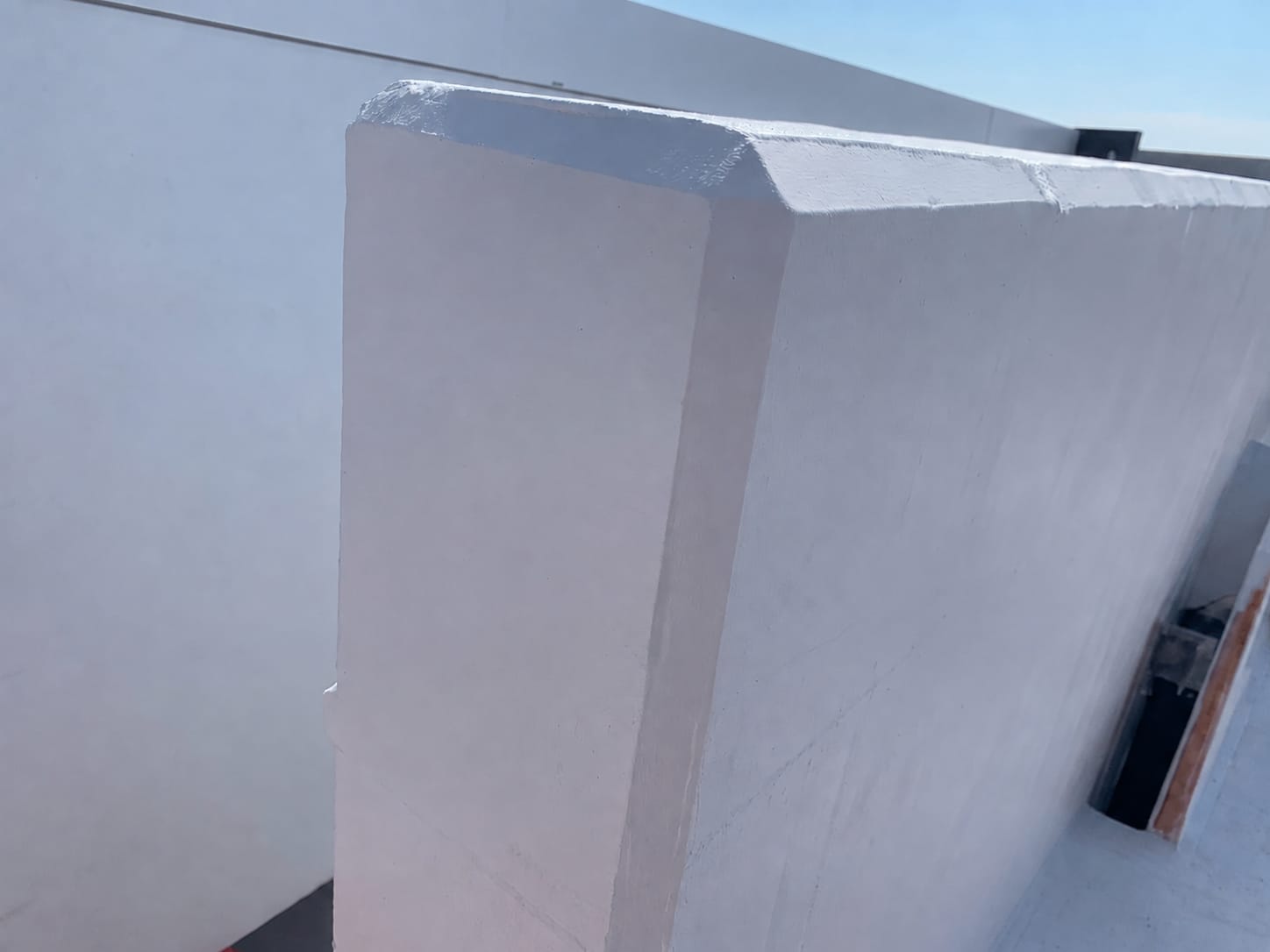
Real repairs, start to finish. Every job is documented at each stage, so owners, engineers and insurers get a complete record.
 Before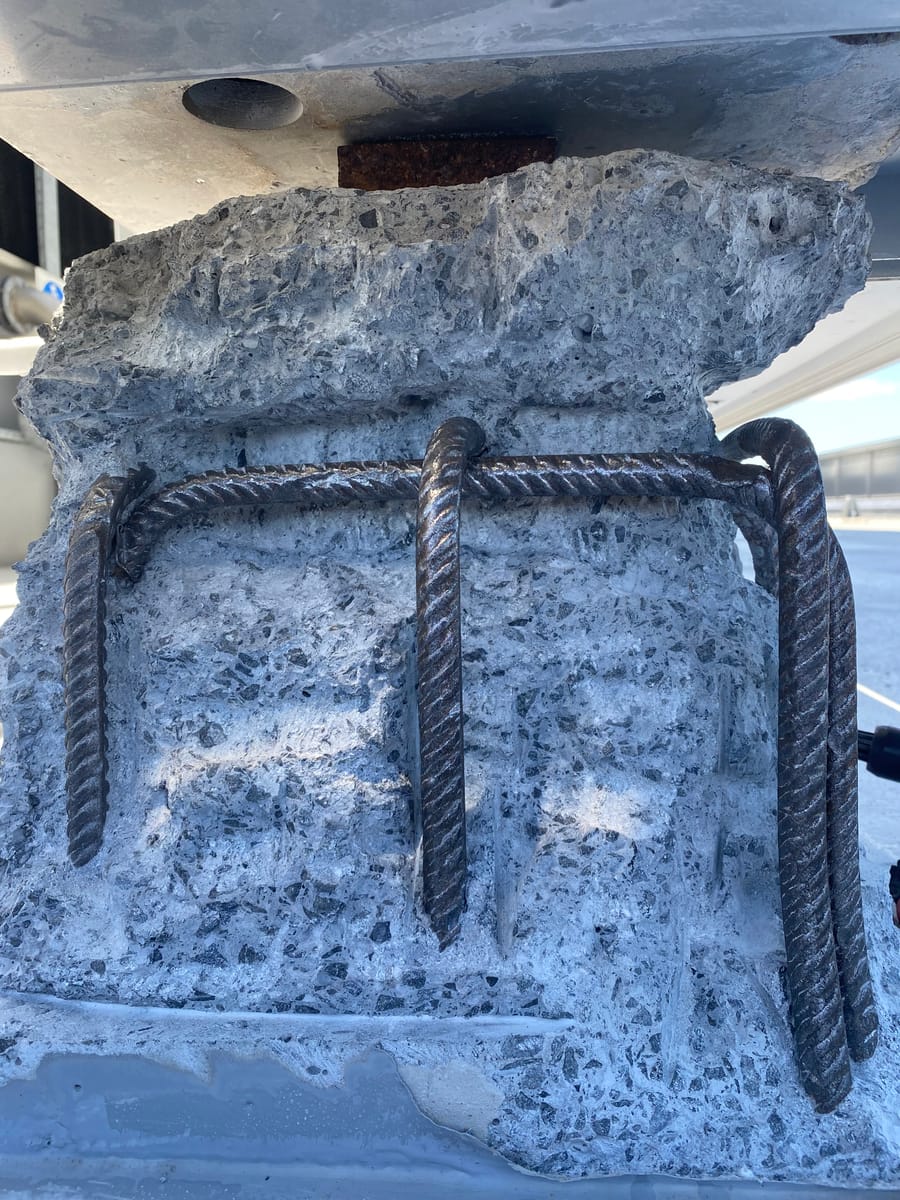
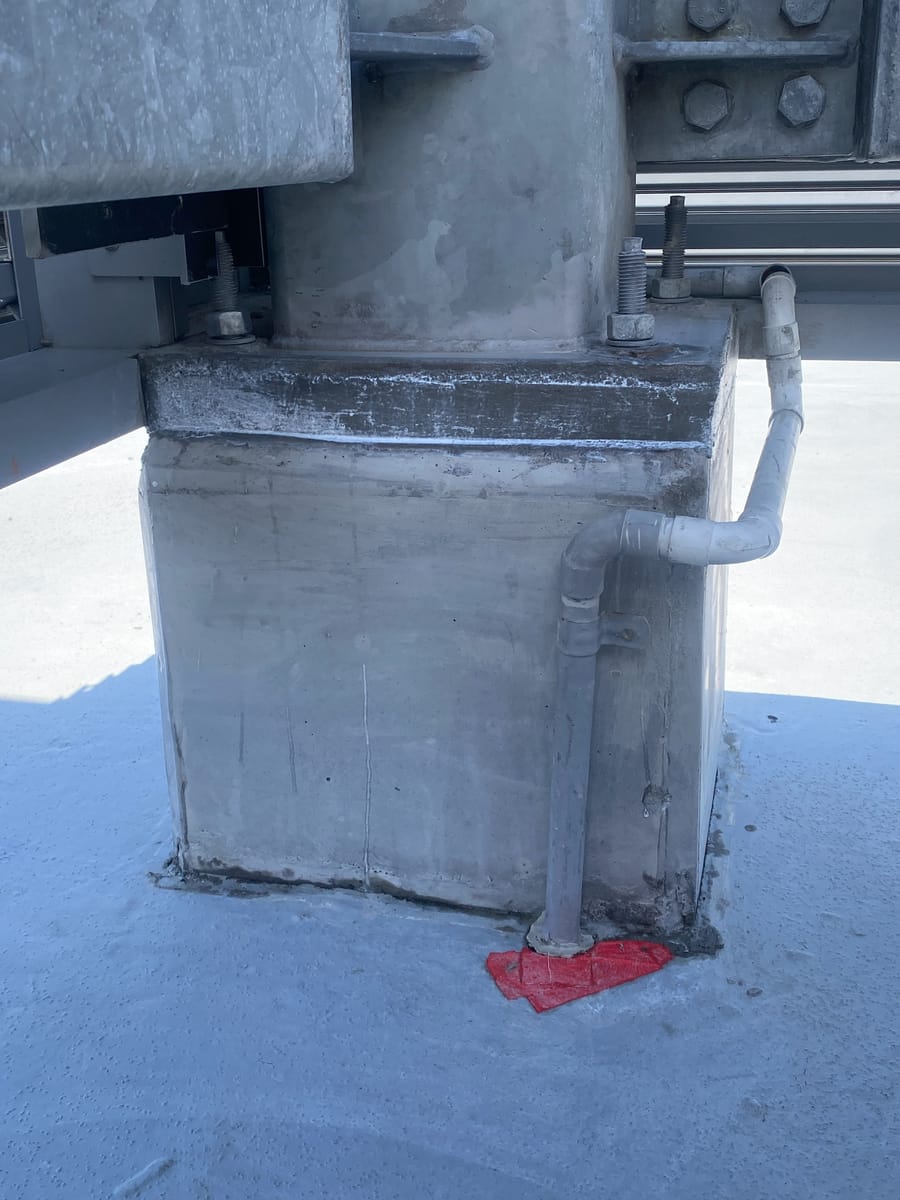
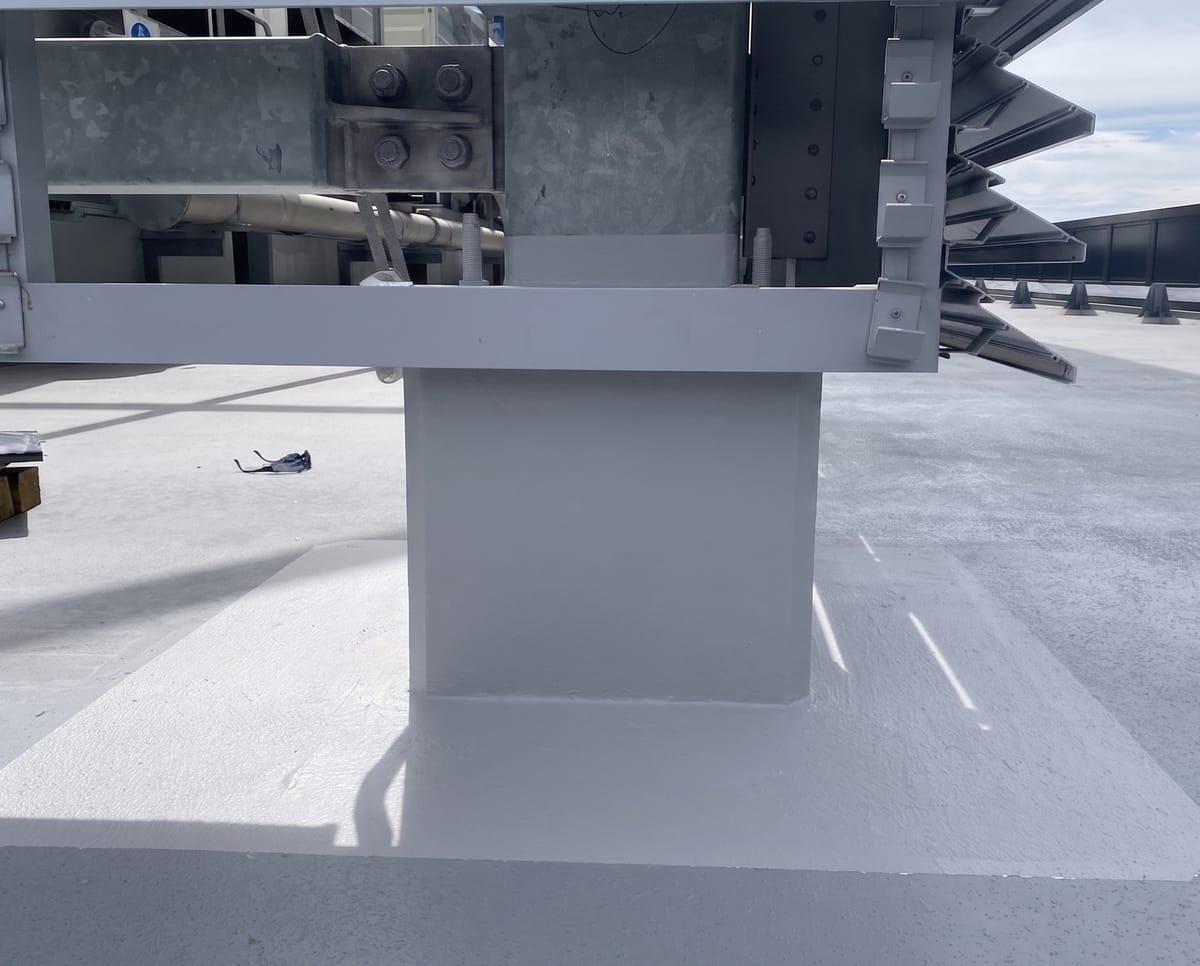 After
After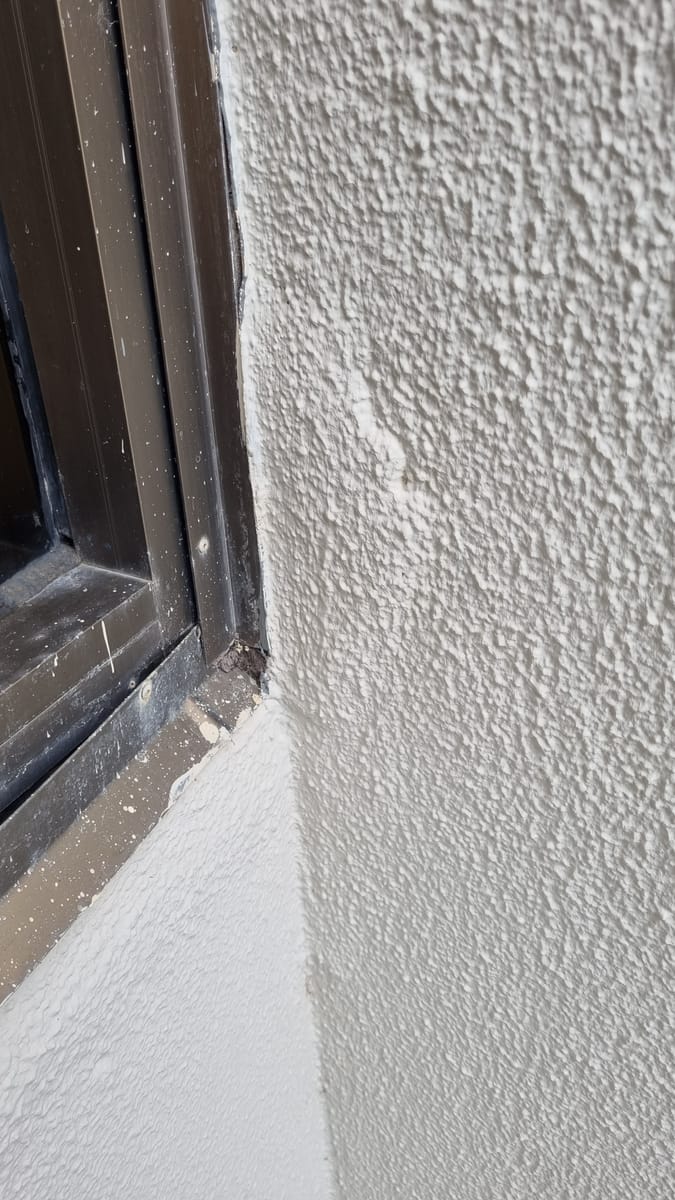 Before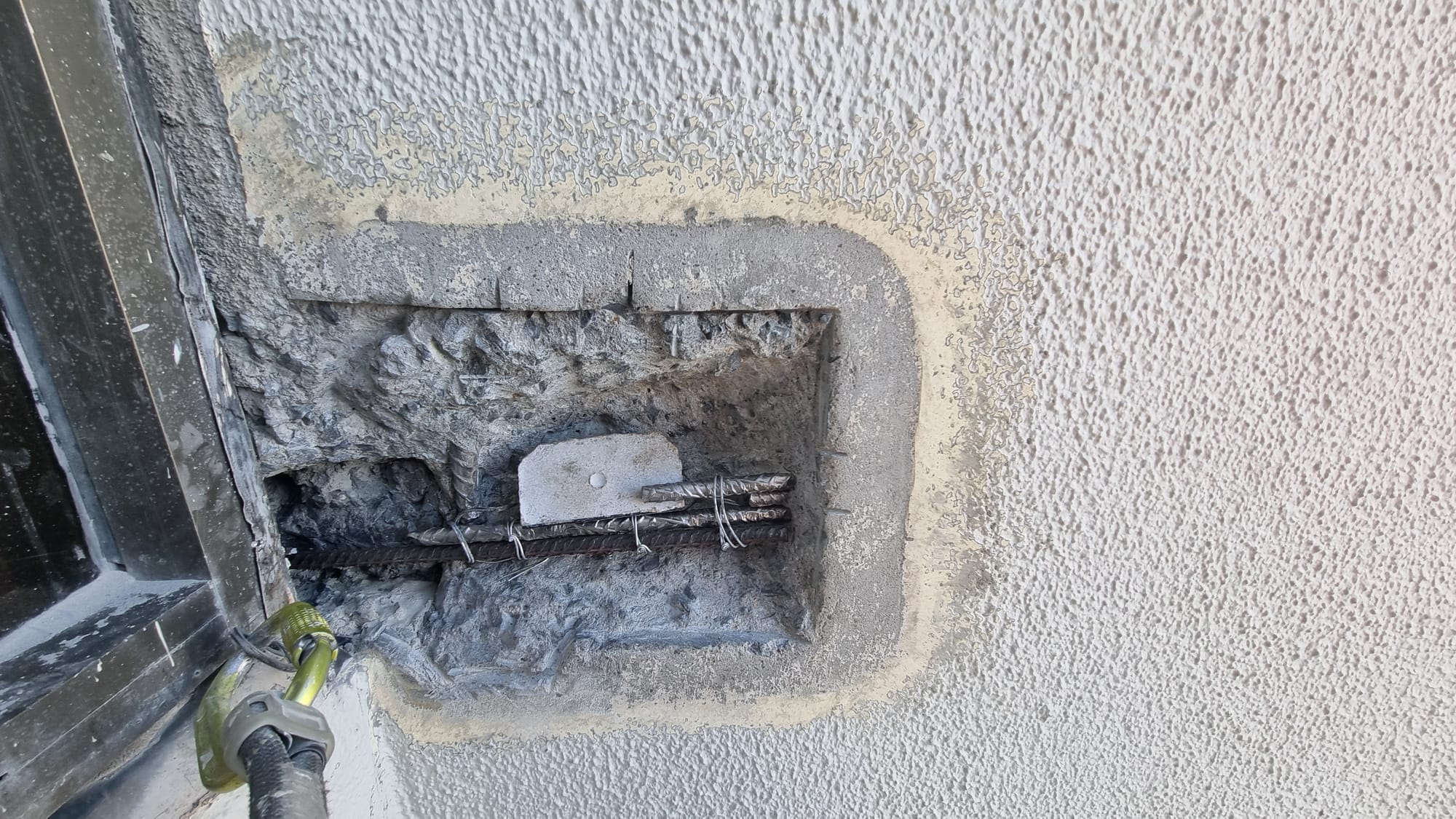
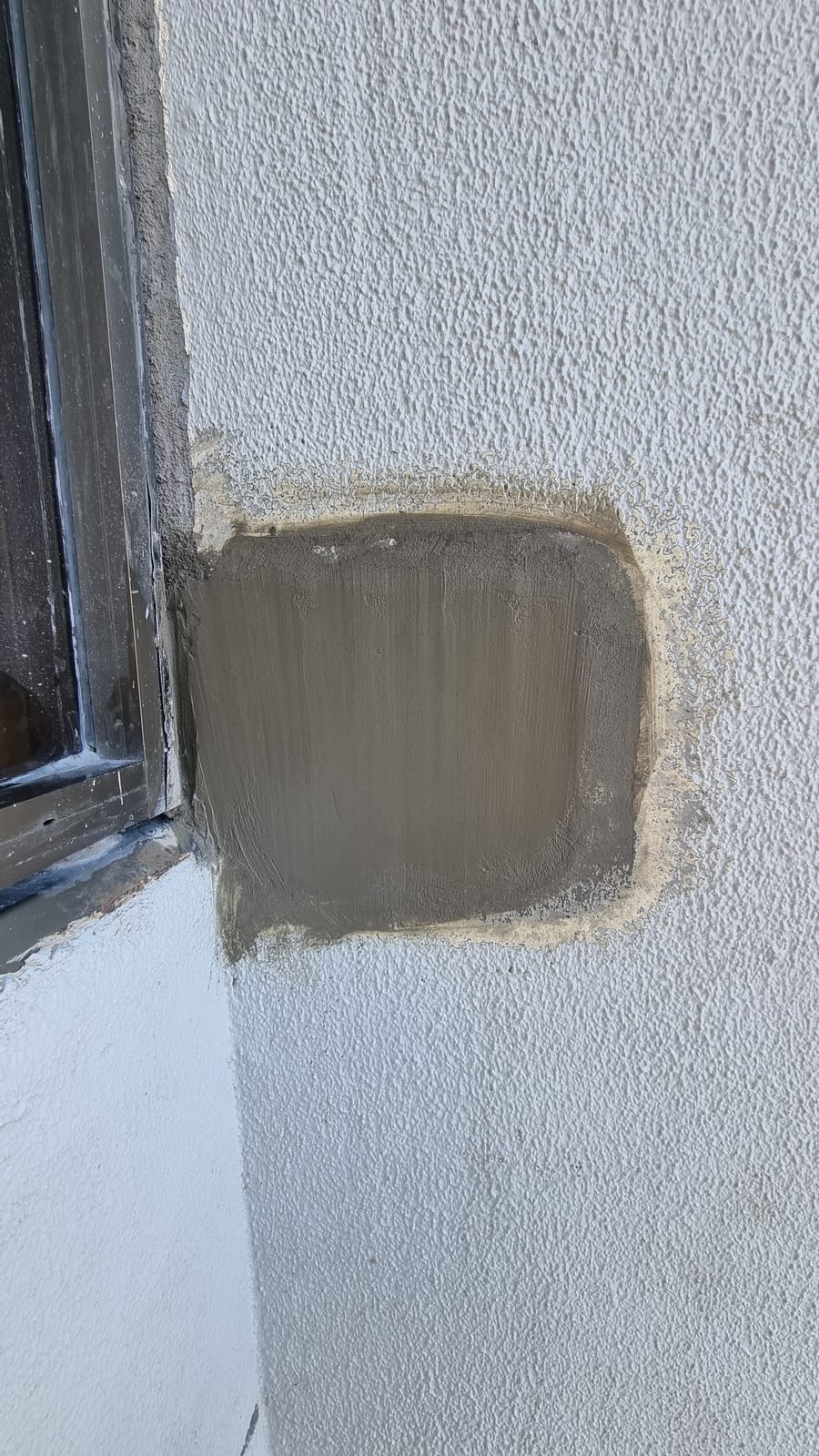
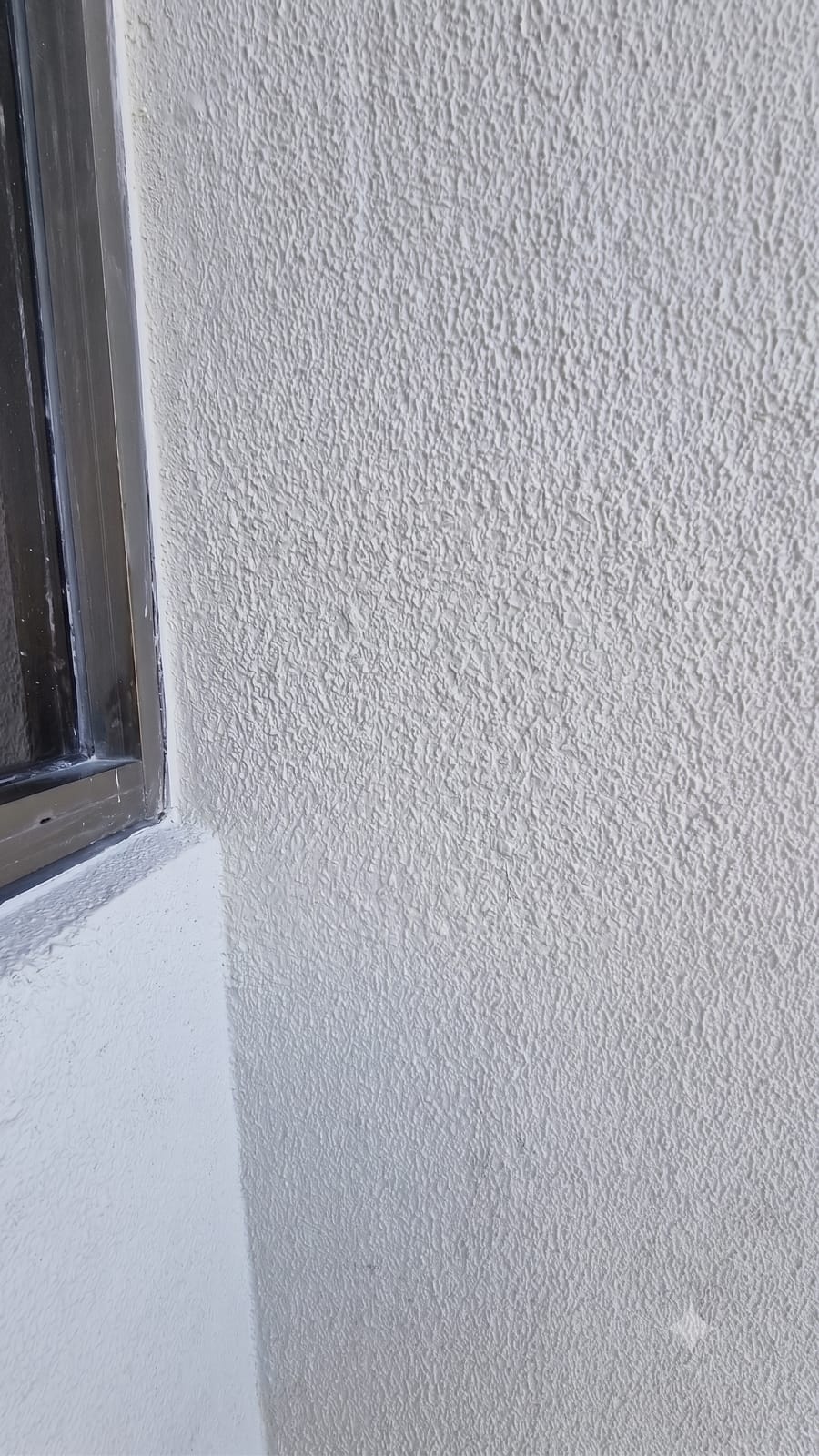 After
After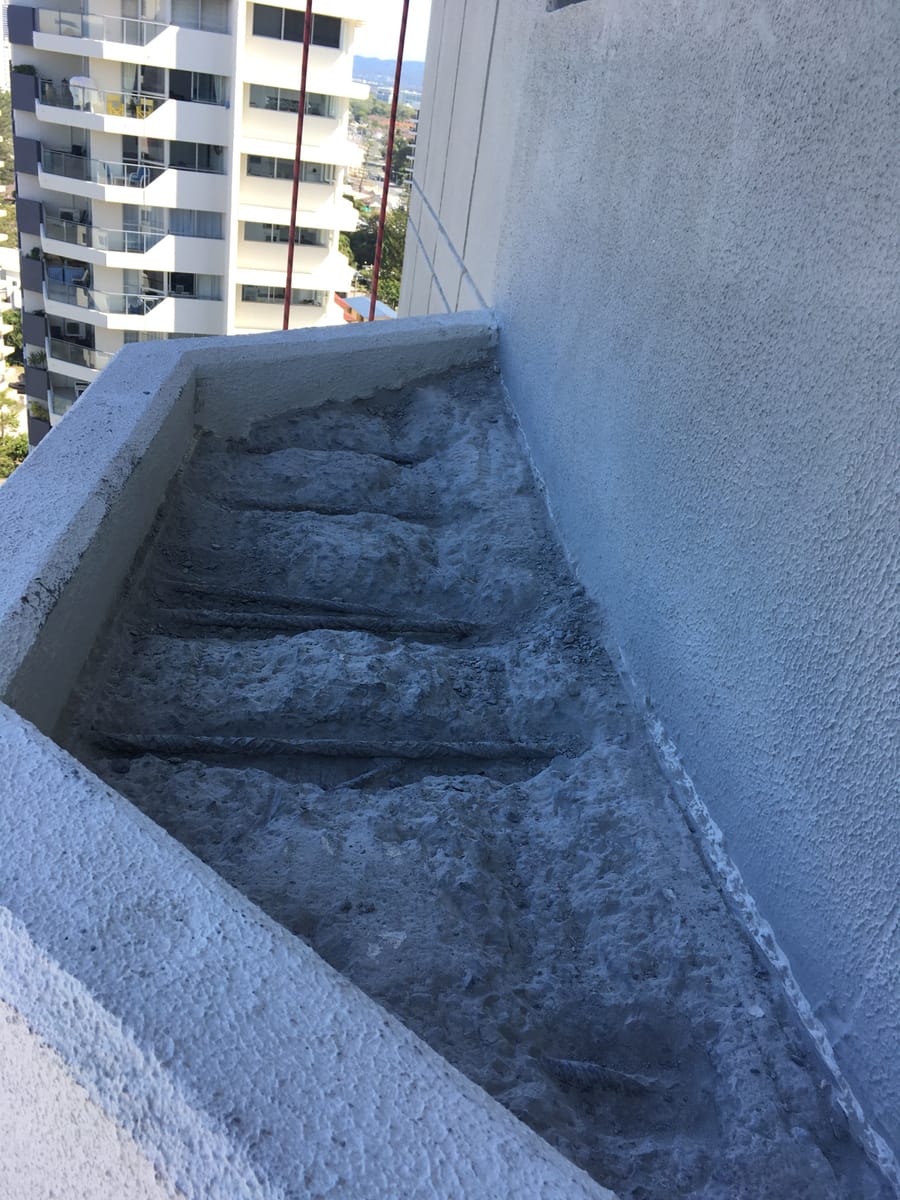 Before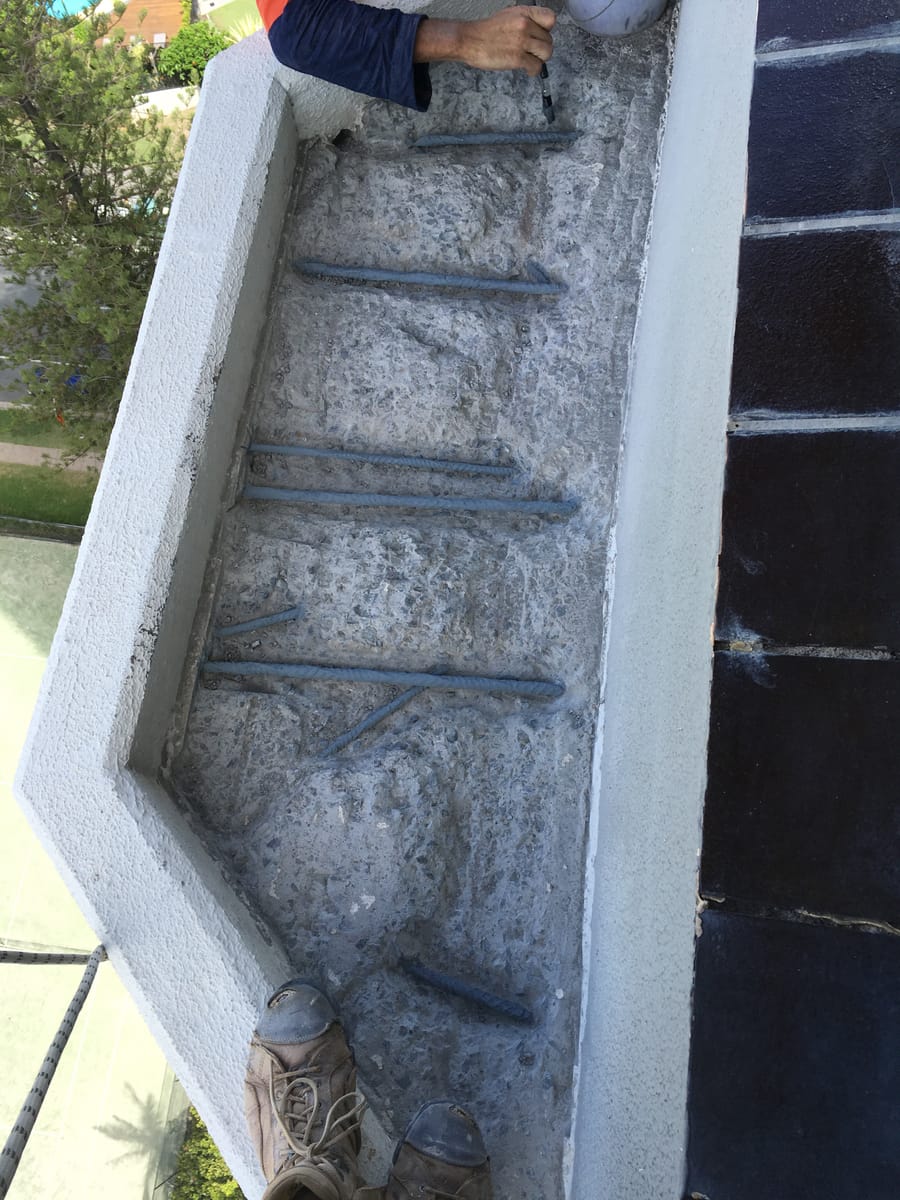
 After
After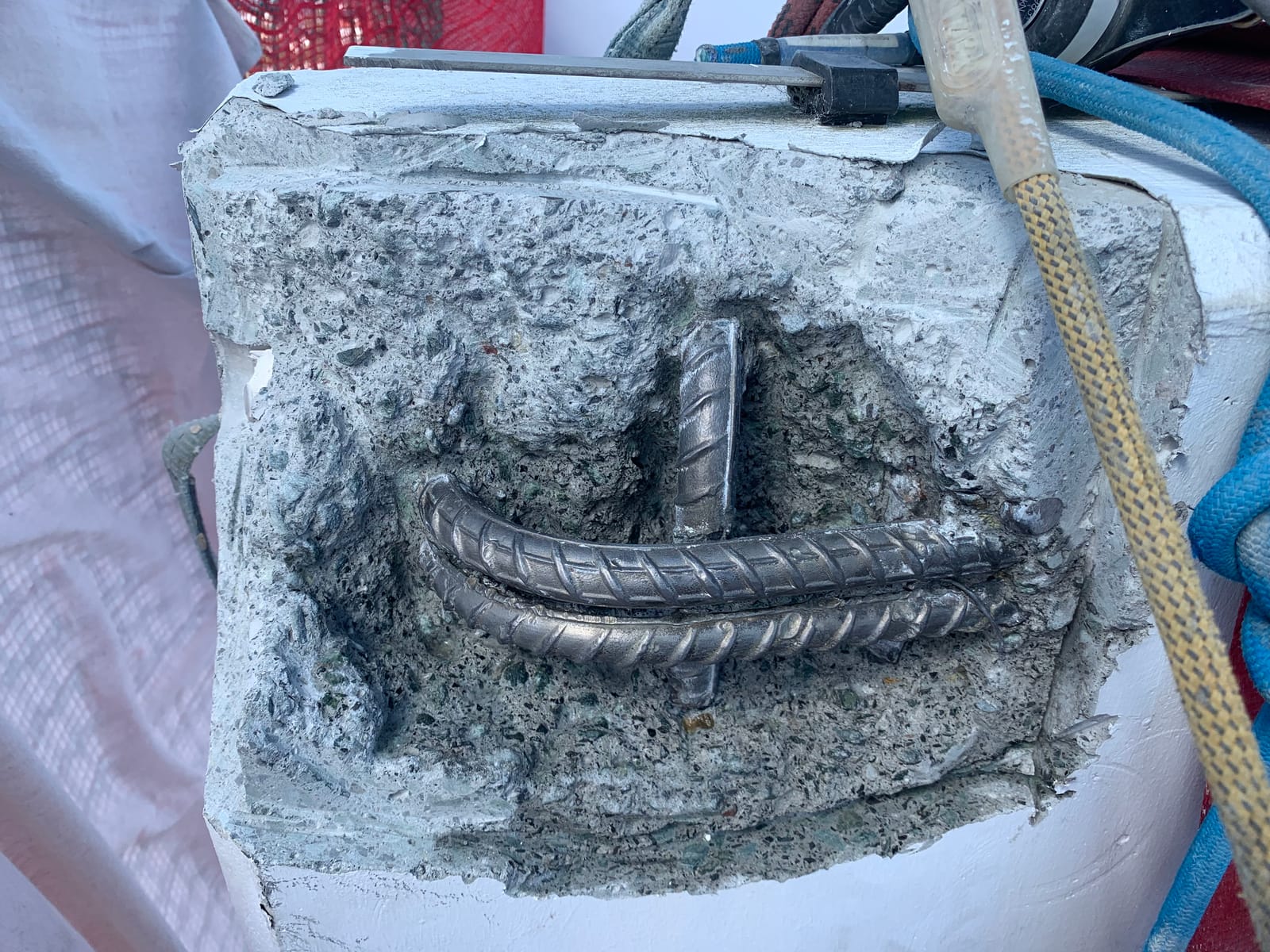 Before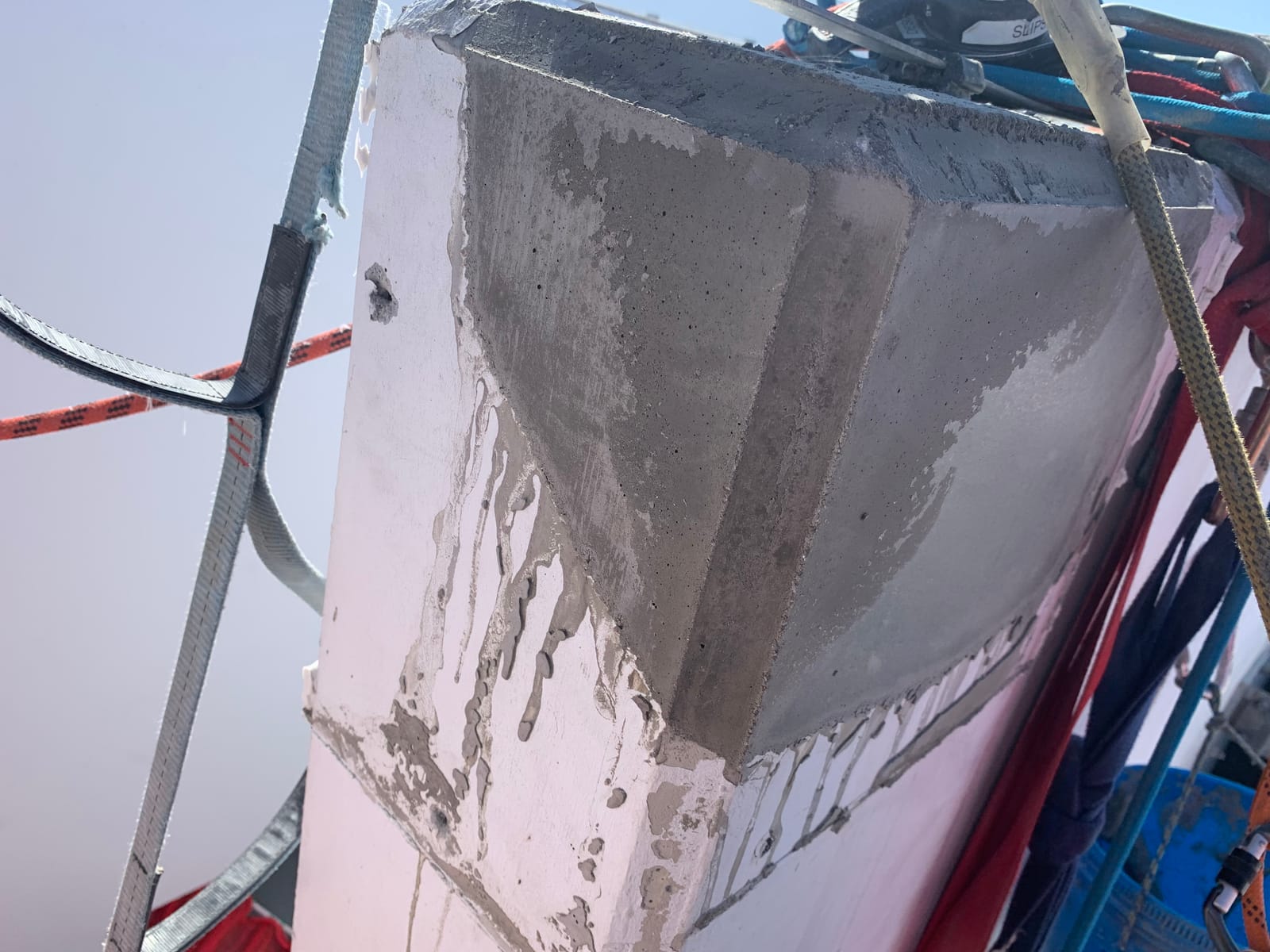
 After
AfterSafe, compliant, high-quality outcomes through a proven, repeatable process that runs the same way from first call to final sign-off.
We understand the building, the risks and your objectives before any work begins.
Practical, fit-for-purpose solutions that actually work on site, not just on paper.
Clear scope, methodology and expectations agreed up front, no surprises later.
The right people, equipment and documentation ready before day one.
Controlled delivery with clear updates, supervision and quality control throughout.
Formal sign-off, follow-up and a long-term partnership, not a one-off job.



























































Trusted by builders, engineers and property managers across South East Queensland and NSW.
“Truly exceptional, if not the most exceptional team of working-at-height experts I've ever worked with. Every job is executed with precision and professionalism.”
“I have to comment on how professional your company's service has been. I have never had a report as thorough as this. I shall highly recommend your services for ongoing works.”
“I cannot speak highly enough of them. Chay and his team have gone out of their way to assist us, nothing is ever 'too hard' and they always carry out the works to the highest standard possible.”
A snapshot of buildings where we've delivered this service.
These are the services clients most often pair with this one.
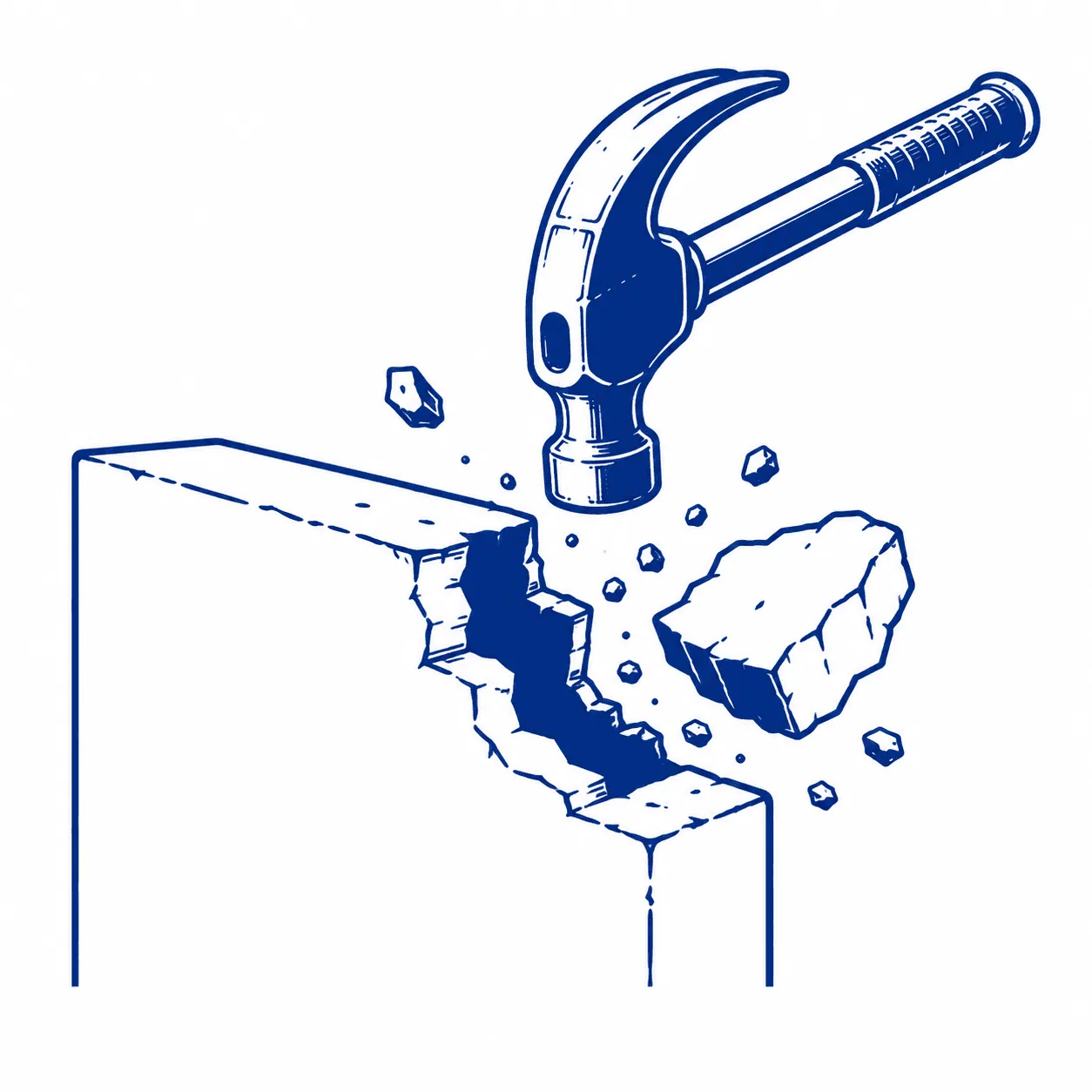
Concrete spalling is when the surface of the concrete cracks, flakes or breaks away, usually because the reinforcing steel inside has corroded and expanded, pushing the cover concrete off from behind. It is a sign of corrosion, not just surface damage.
It can be. A stain can come from a minor contaminant left in the concrete during construction (tie wire, offcuts), or it can be the structural reinforcement actively corroding, which is serious. You often can't tell which from the ground, so it should be investigated rather than painted over.
A properly executed repair can last around 10 to 30 years. A poor, price driven repair can fail in as little as 12 to 24 months, often reappearing in the same spot.
Usually the incipient anode effect: patching one spot without managing the surrounding chloride or carbonation affected concrete drives fresh corrosion right next to the new patch. Sacrificial anodes and proper corrosion management prevent this.
Small zinc units connected to the reinforcing steel and embedded in the repair. The zinc corrodes in place of the steel, protecting the reinforcement and stopping new spalls forming around the repair. They are especially valuable on coastal, chloride affected buildings.
As a guide, a 1m crack is roughly $50 to $300 to repair, while a metre of concrete spalling repaired correctly is typically $900 to $5,500 depending on location and access. Fixing early is dramatically cheaper than waiting.
A visual and tap testing inspection doesn't measure the damage perfectly, because concrete hides what is happening inside it. What it gives you is something tangible to plan and budget from. We typically see around a 25% variance between what an inspection identifies and what actually gets broken out, which a schedule of rates is designed to absorb.
Usually not the best option. You can't know the true extent of a repair until the concrete is opened, so fixed prices are either padded or lead to variations. A schedule of rates backed by a proper inspection is generally fairer and more transparent.
For large remediation projects, yes. An independent structural engineer or project manager overseeing the works can verify quantities and variations and protect the building owner.
Most façade damage can't be seen or reached from the ground, and the visible damage understates the real extent. A hands on inspection turns guesswork into an accurate, priceable scope. On one building an assumed 500 litres of repair turned out to be around 8,000 litres once properly inspected.
Tell us what you need accessed, inspected, repaired or maintained. We'll come back to you within 24 hours, no fluff, no run-around.