“Truly exceptional, if not the most exceptional team of working-at-height experts I've ever worked with. Every job is executed with precision and professionalism.”
KP
Krishna Pryor
Palmiye Australia


Need to inspect, repair or work in an area that your team cannot safely access? We provide practical access assistance and standby rescue support for engineers, consultants, specialist trades and project teams working on buildings, structures and difficult terrain.
Many jobs become expensive, delayed or unnecessarily complicated because the work area cannot be reached from the floor, roof, balcony or existing access system. Scaffolding, swing stages and large elevated work platforms may not be practical for a short inspection, isolated repair or one-day specialist task.
Our rope access technicians can provide the equipment, rigging, access knowledge and rescue capability required to help your people reach the work area safely. In many situations, rope access can reduce mobilisation time, minimise disruption and avoid installing a large access system for a relatively small scope of work.
Send us the location, photos, scope of work and the people or equipment that need to reach the area, and we can review the access requirements and advise on a suitable approach.
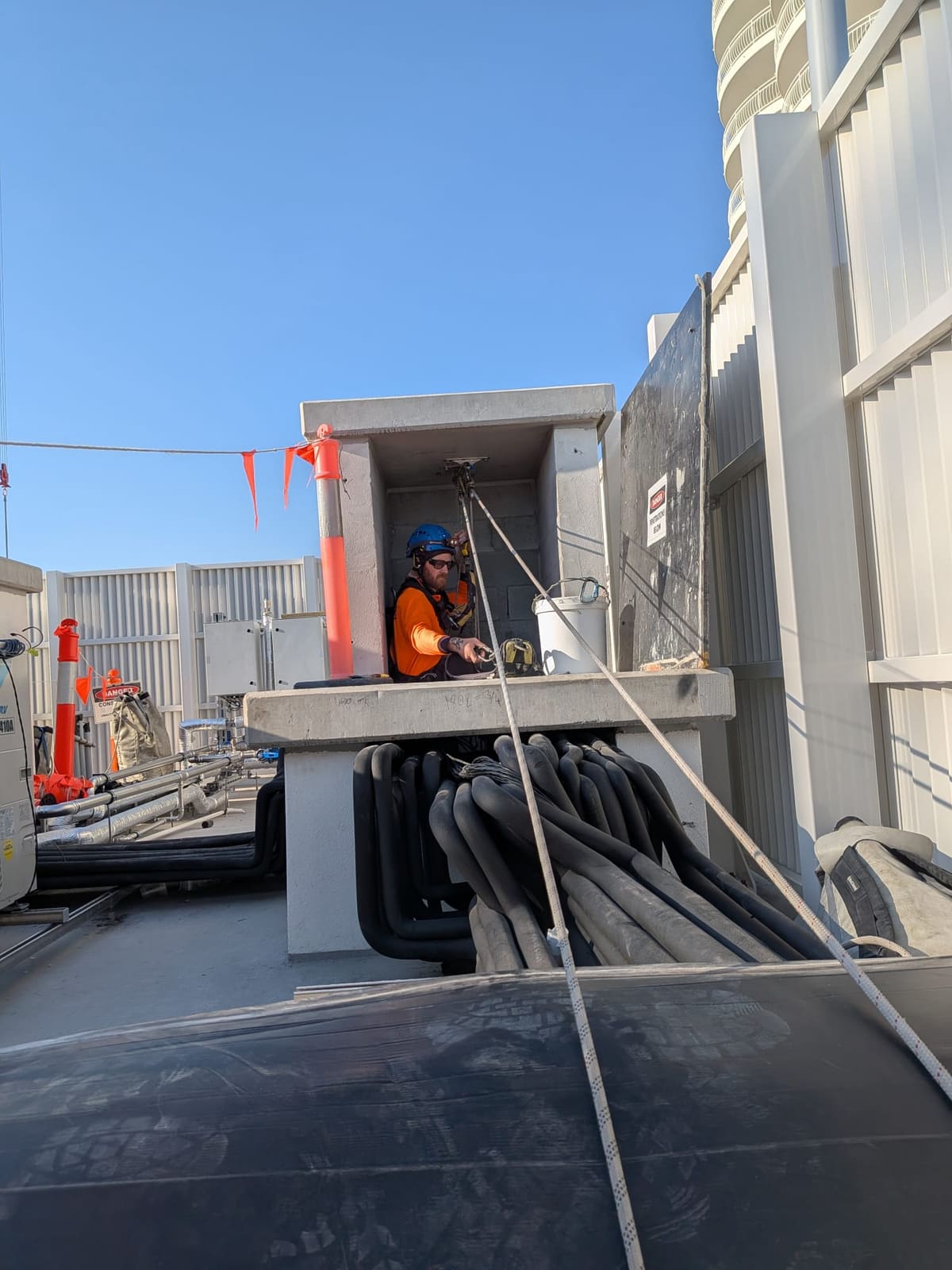
Your engineer, inspector or trade specialist understands the technical task. Our role is to manage the access, positioning and work-at-height support around them. We regularly assist:
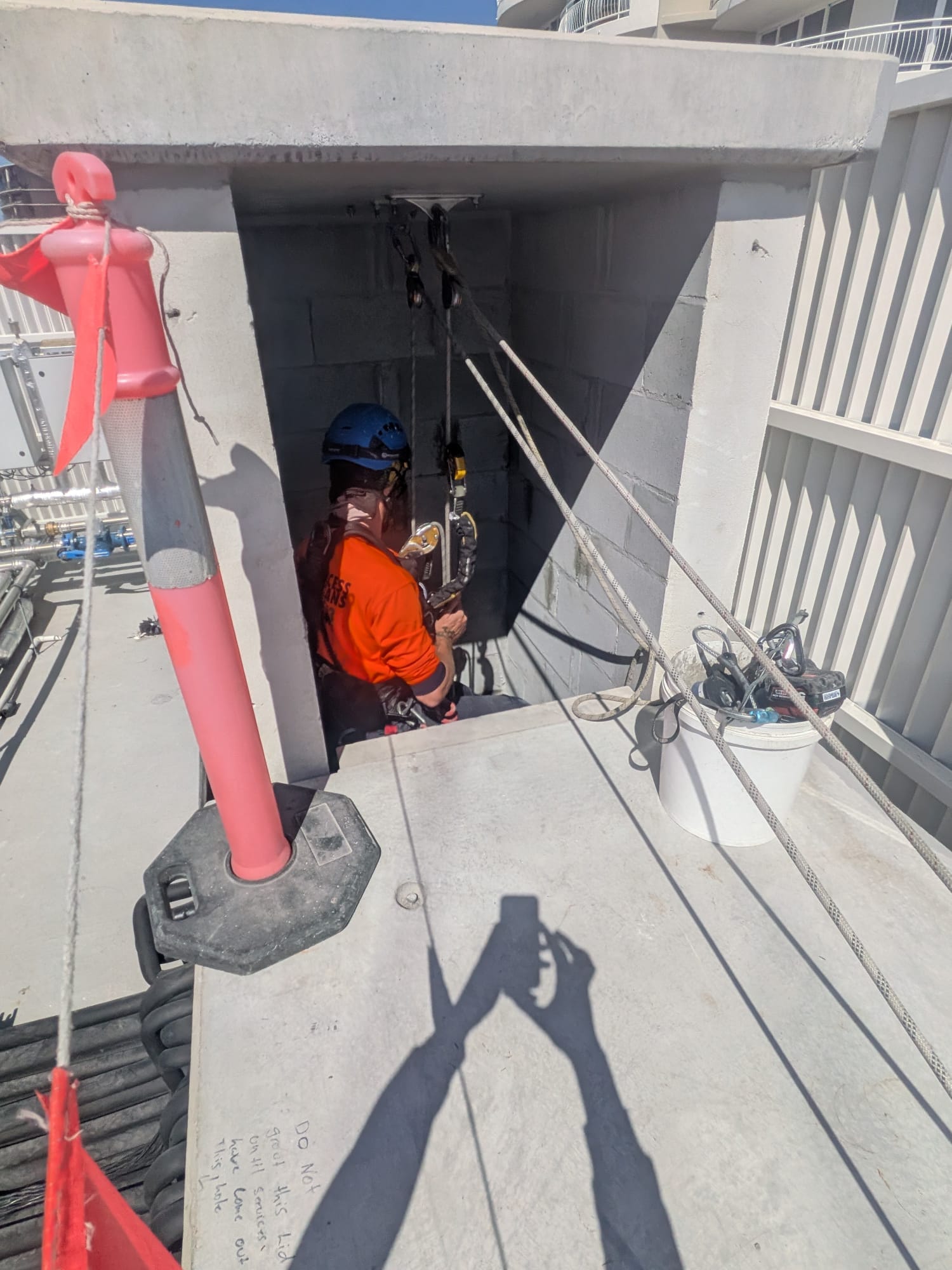
A rescue plan is only useful when suitable equipment is available and competent people can implement it. Depending on the task and work environment, relying solely on emergency services may not provide a sufficiently prompt or task-specific rescue response.
We can provide a dedicated standby rescue team to support planned work at height, with arrangements developed around the access method, work position, potential suspension, obstructions, casualty condition and available recovery points:
Standby rescue is planned for the specific job rather than supplied as a generic person-and-equipment package. The level of support depends on the work method, location, hazards and the competency of the people completing the task.
Some tasks do not require full rope access. The safest and simplest solution may be a temporary restraint line, work positioning arrangement, temporary anchor solution or controlled access system that prevents workers from reaching a fall edge.
Where appropriate, we can help establish temporary systems for the duration of the work:
The proposed system must be suitable for the structure, task, users and foreseeable loads. Permanent anchors or structural connections are not assumed to be suitable unless their condition, purpose and capacity are adequately established.
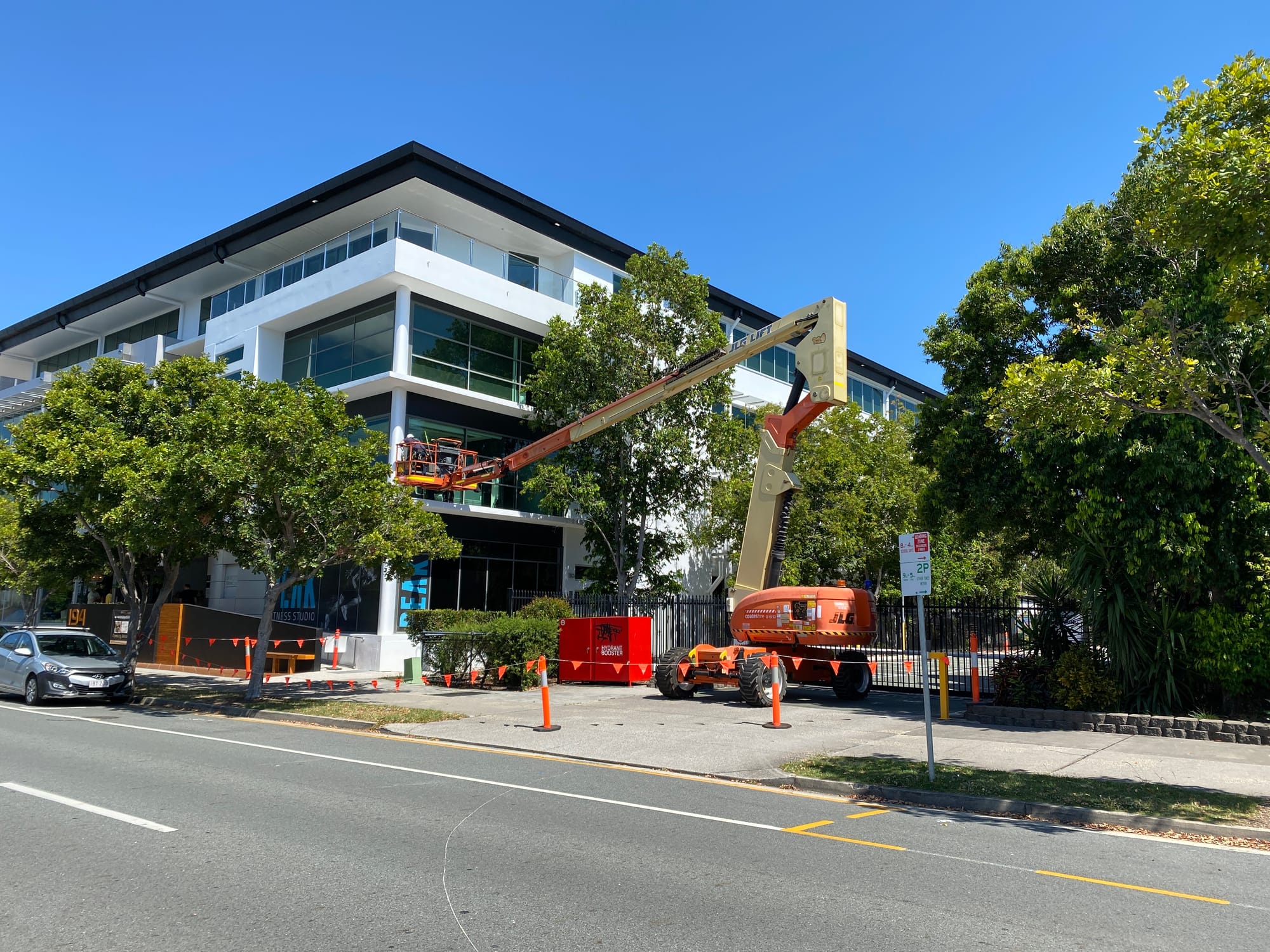
In some cases, the best outcome is for your specialist to complete the technical work while our team manages access and rescue. In other cases, we may already have qualified tradespeople who can complete the task for you.
Our wider team includes experienced rope access technicians and qualified glaziers, waterproofers, carpenters and painters. This can reduce the number of contractors involved and simplify responsibility for the work method, access, tools, quality control and close-out documentation.
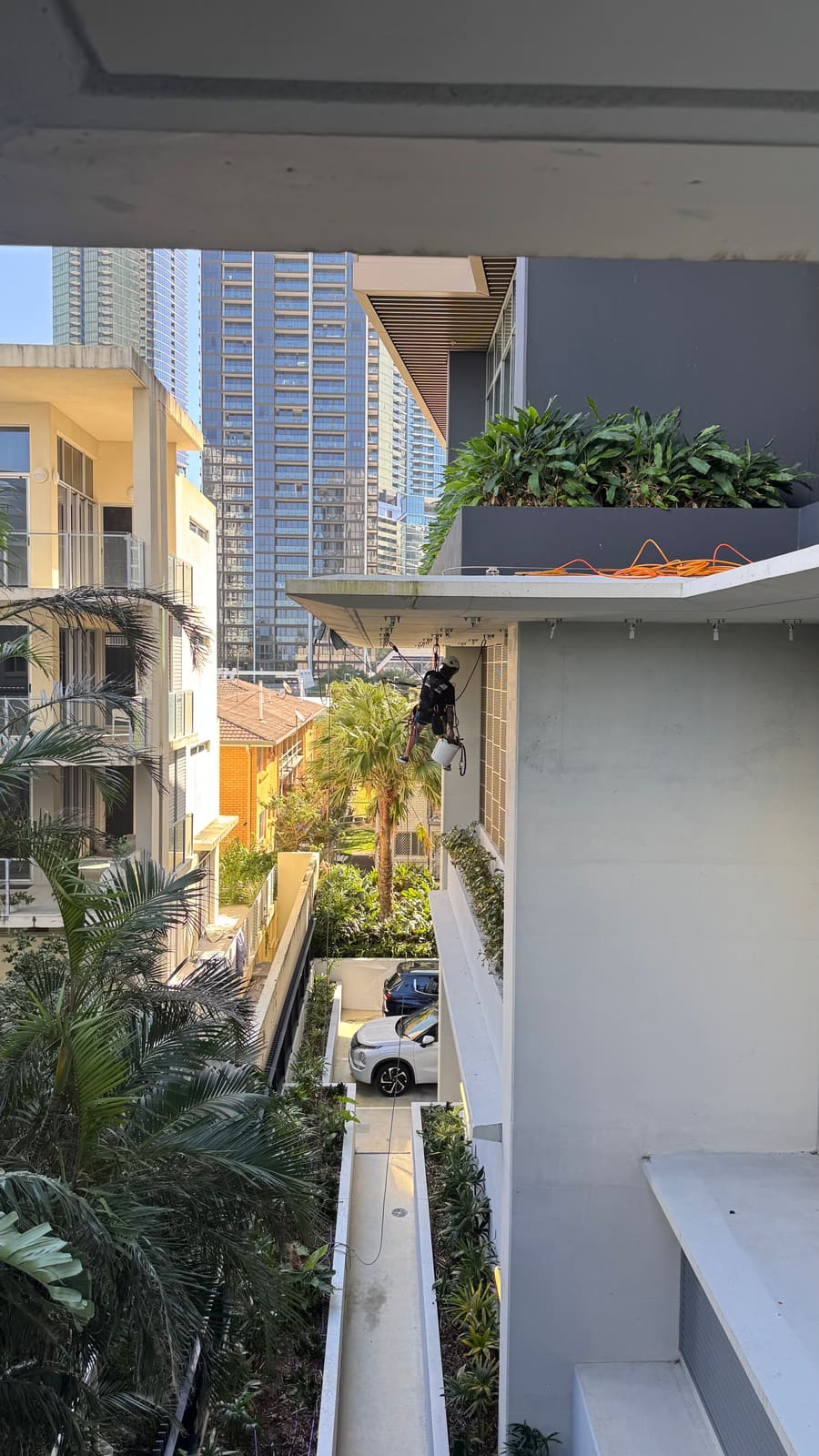
Getting someone to the work area is only one part of the job. The access method must also allow the person to remain stable, use their tools, communicate, avoid damaging the facade and return safely. The plan should consider what happens if the worker becomes injured, suspended, incapacitated or unable to reverse the access route. Early involvement can prevent unsuitable equipment being booked, incomplete safe work method statements being approved, or a specialist arriving on site without a workable way to reach the defect.
To assess your job we will ask for the site address and exact work location, photos or marked-up plans, a description of the task and expected duration, the number of people requiring access, the tools and materials involved, details of any existing anchors or roof access systems, known hazards, site and induction requirements, and preferred dates. We support planned access and rescue work across the Gold Coast, Brisbane and surrounding South East Queensland, with mobilisation depending on technician availability, site requirements and the complexity of the access plan.
Safe, compliant, high-quality outcomes through a proven, repeatable process that runs the same way from first call to final sign-off.
We understand the building, the risks and your objectives before any work begins.
Practical, fit-for-purpose solutions that actually work on site, not just on paper.
Clear scope, methodology and expectations agreed up front, no surprises later.
The right people, equipment and documentation ready before day one.
Controlled delivery with clear updates, supervision and quality control throughout.
Formal sign-off, follow-up and a long-term partnership, not a one-off job.




































Trusted by builders, engineers and property managers across South East Queensland and NSW.
“Truly exceptional, if not the most exceptional team of working-at-height experts I've ever worked with. Every job is executed with precision and professionalism.”
“I have to comment on how professional your company's service has been. I have never had a report as thorough as this. I shall highly recommend your services for ongoing works.”
“I cannot speak highly enough of them. Chay and his team have gone out of their way to assist us, nothing is ever 'too hard' and they always carry out the works to the highest standard possible.”
These are the services clients most often pair with this one.
Standby rescue means competent personnel and suitable equipment are available to implement the job-specific rescue plan while the work is being completed. The arrangements should reflect the access method, location, foreseeable incidents and time required to recover a suspended or injured person.
Yes, subject to a review of the task, site and the individual involved. We can manage the rope access equipment, positioning, communications and rescue arrangements so the specialist can focus on the inspection or testing activity.
Not always. This depends on how they will access the area, their role and the level of control maintained by our technicians. Some situations may require additional competency, familiarisation or a different work method. We assess this before attendance.
We can establish suitable temporary access or fall protection arrangements where the structure, system and task allow it. Temporary does not mean informal. The proposed connections, equipment, loads, users and rescue method still require proper assessment.
Potentially, yes. The scope must clearly define each party's responsibilities, supervision arrangements, rescue plan, equipment compatibility and communication procedures.
Yes. Rope access and work positioning techniques can be used for some engineering, geotechnical and inspection tasks on steep terrain. Site-specific hazards such as loose material, unstable ground, vegetation, access routes and weather must be assessed.
No access method is always the cheapest or most suitable. Rope access can be highly efficient for short-duration, isolated or difficult work areas, but larger repetitive projects may be better suited to another system. We recommend the method that fits the task and site constraints.
Sometimes. Availability depends on the technicians, equipment, site documentation and complexity of the task. Clear photos, plans and scope information allow us to assess urgent requests faster.
We can prepare or contribute to documentation for the access and rescue activities within our scope. The principal contractor and supported contractor remain responsible for coordinating the overall work, hazards and interfaces relevant to their own activities.
Often, yes. Our team includes qualified trades and experienced rope access technicians. Once we understand the work, we can advise whether it is more efficient for us to provide access support only or complete the full scope.
Existing anchors or height safety systems may be used when they are suitable for the intended work and their status can be adequately confirmed. An anchor that exists on a roof should not automatically be treated as suitable for rope access, fall arrest or rescue loading.
Send the site address, photos or marked plans, task description, number of people requiring access, estimated duration, tools and materials involved, existing access information and preferred dates. A site inspection may still be required for complex work.
Tell us what you need accessed, inspected, repaired or maintained. We'll come back to you within 24 hours, no fluff, no run-around.