“Truly exceptional, if not the most exceptional team of working-at-height experts I've ever worked with. Every job is executed with precision and professionalism.”
KP
Krishna Pryor
Palmiye Australia


Water staining, construction residue and scratches can leave otherwise good glass looking permanently damaged. Before replacing affected panes, it may be possible to restore them. We assess and treat damaged or contaminated glass using methods suited to the staining, residue, scratch and glass surface, and our rope access reaches external glazing that conventional cleaners cannot.
In many cases, yes. The result depends on the glass type, severity of the damage, depth of any scratch, condition of any surface coating and the amount of material that would need to be removed. The first step is determining what has actually happened to the glass, because mineral deposits, cement residue, silicone smears, fine scratches, deep scratches, coating damage and defects within the glass are different problems that need different methods.
Glass restoration may be suitable for:
Restoration may not be appropriate where there are deep gouges, cracks, chips affecting structural integrity, damaged coatings, defects inside a laminated or insulated glass unit, severe optical distortion or damage that would require excessive removal of the glass surface. In these situations we explain the limitations rather than promising an unsuitable repair.
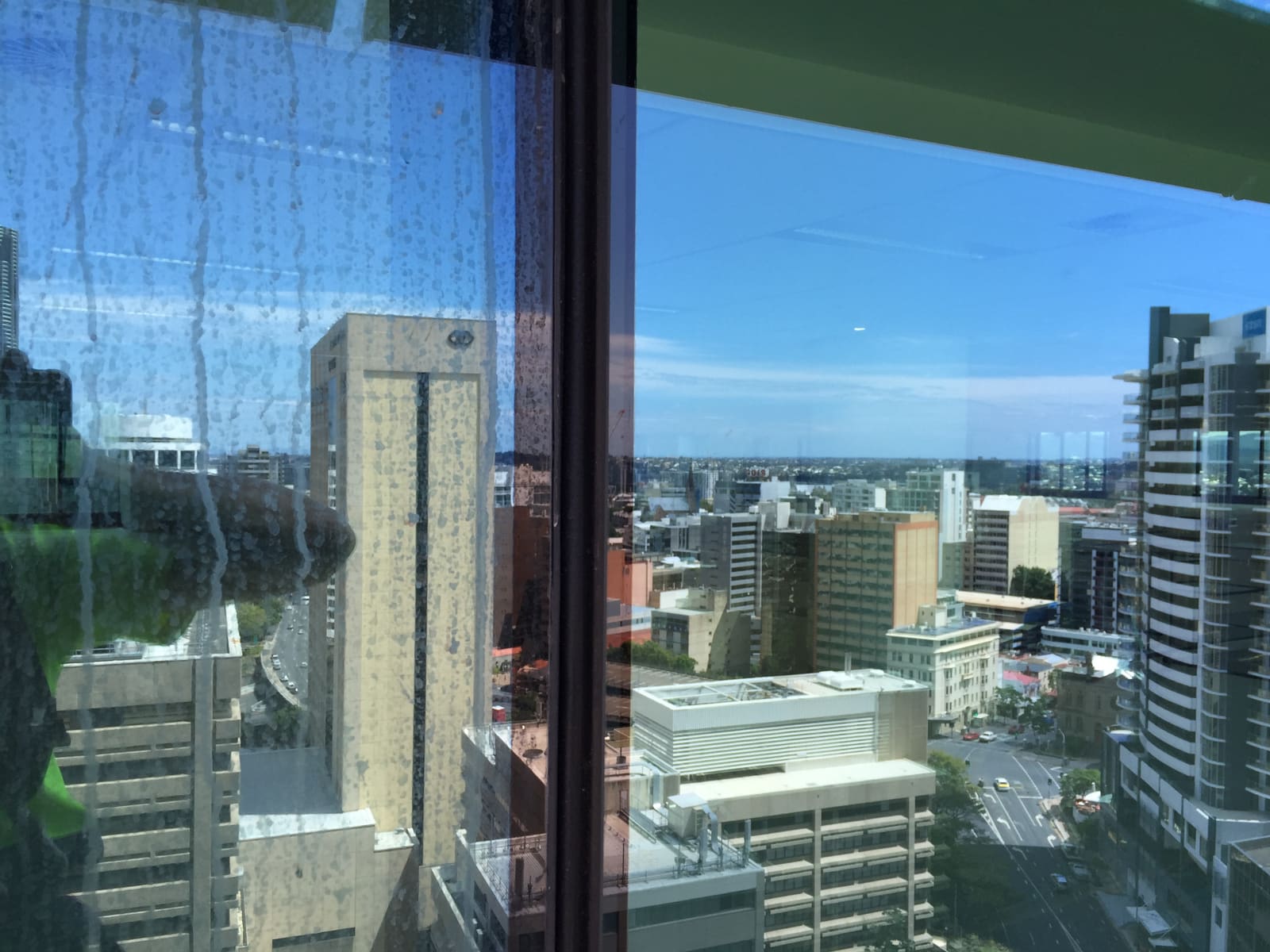
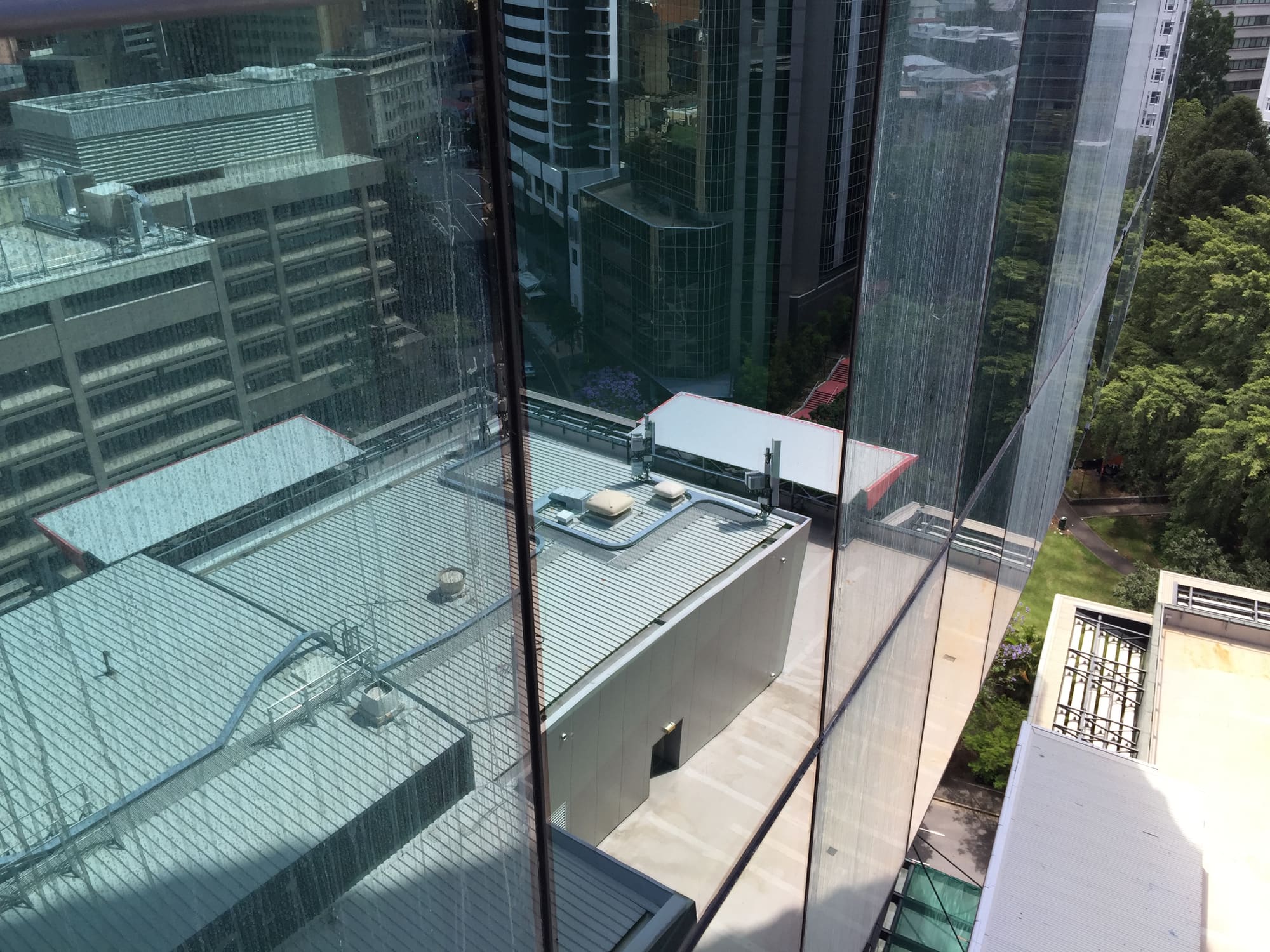
Water staining is more than ordinary dirt. When water repeatedly dries on glass, minerals and contaminants can build up and bond to the surface, and over time the glass may become cloudy, patchy or etched, so standard window cleaning may no longer improve it. Common causes include:
We first test a small area to establish whether the marks are deposits sitting on the surface, chemical etching within the surface, coating damage or a combination. The treatment is then adjusted to achieve the best practical result without unnecessarily abrading the glass.
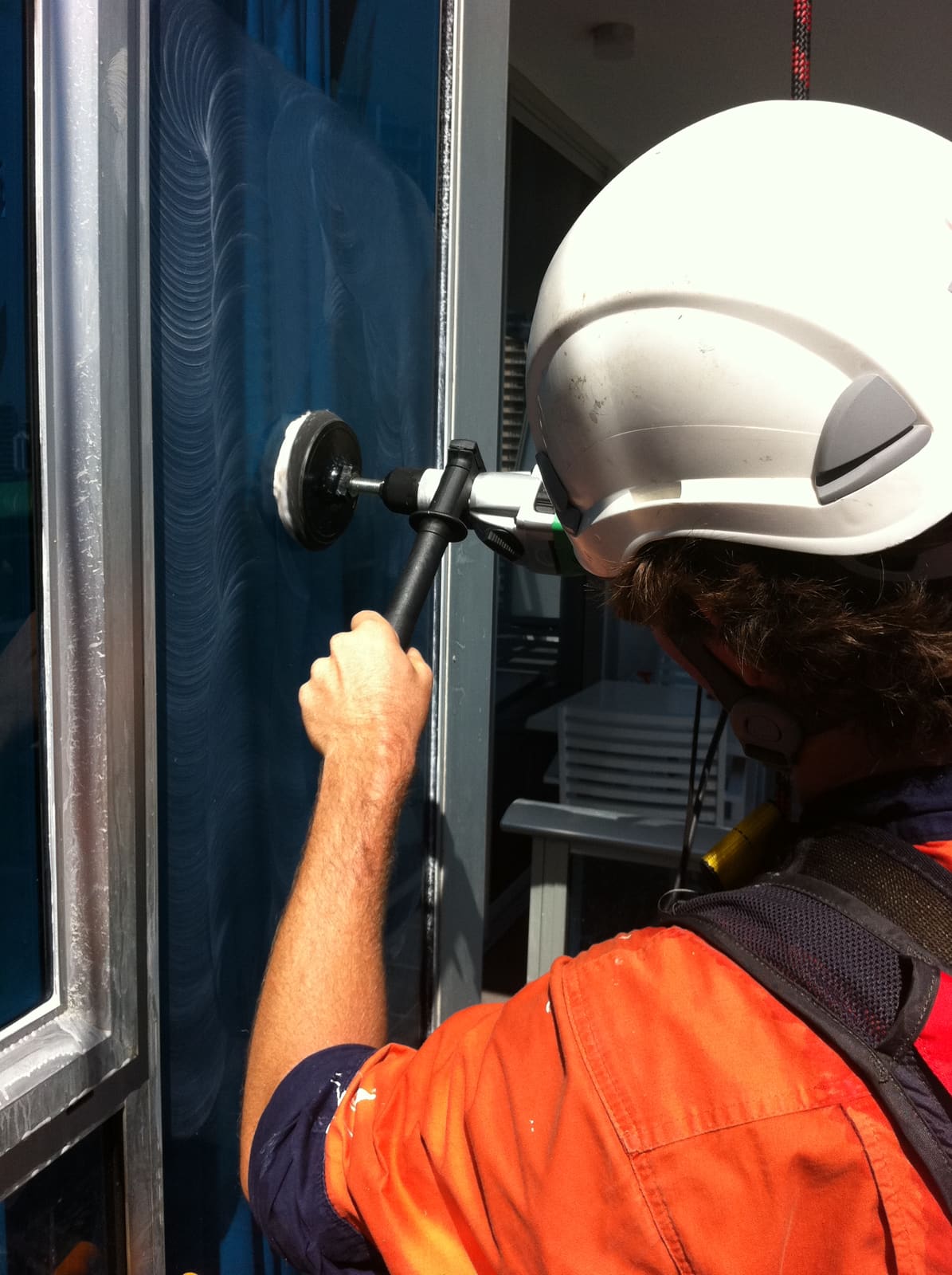
Scratched glass does not always need to be replaced. Certain scratches can be reduced or removed by carefully polishing the affected surface, removing a controlled amount of glass around the damage and progressively refining the surface until clarity is restored as far as practical. Feasibility depends on:
For significant or highly visible damage, a sample repair is the most reliable way to establish the likely finish. The goal is not to conceal the problem temporarily, it is to determine whether the pane can be restored to an acceptable visual standard without creating a new defect.
Newly installed glass can be damaged during construction long before a building is handed over. Cement splatter, render, paint, silicone, adhesive, labels, grinding residue and general site contamination can bond to the surface, and aggressive scraping or unsuitable chemicals can then turn a cleaning issue into permanent scratching or coating damage. Our builders clean glass service can include:
Where fabrication debris, damaged coatings or pre-existing scratches are suspected, these should be identified before broad cleaning starts. This protects the builder, glazing contractor and cleaning team from disputes and avoids using one method across glass that may respond differently.
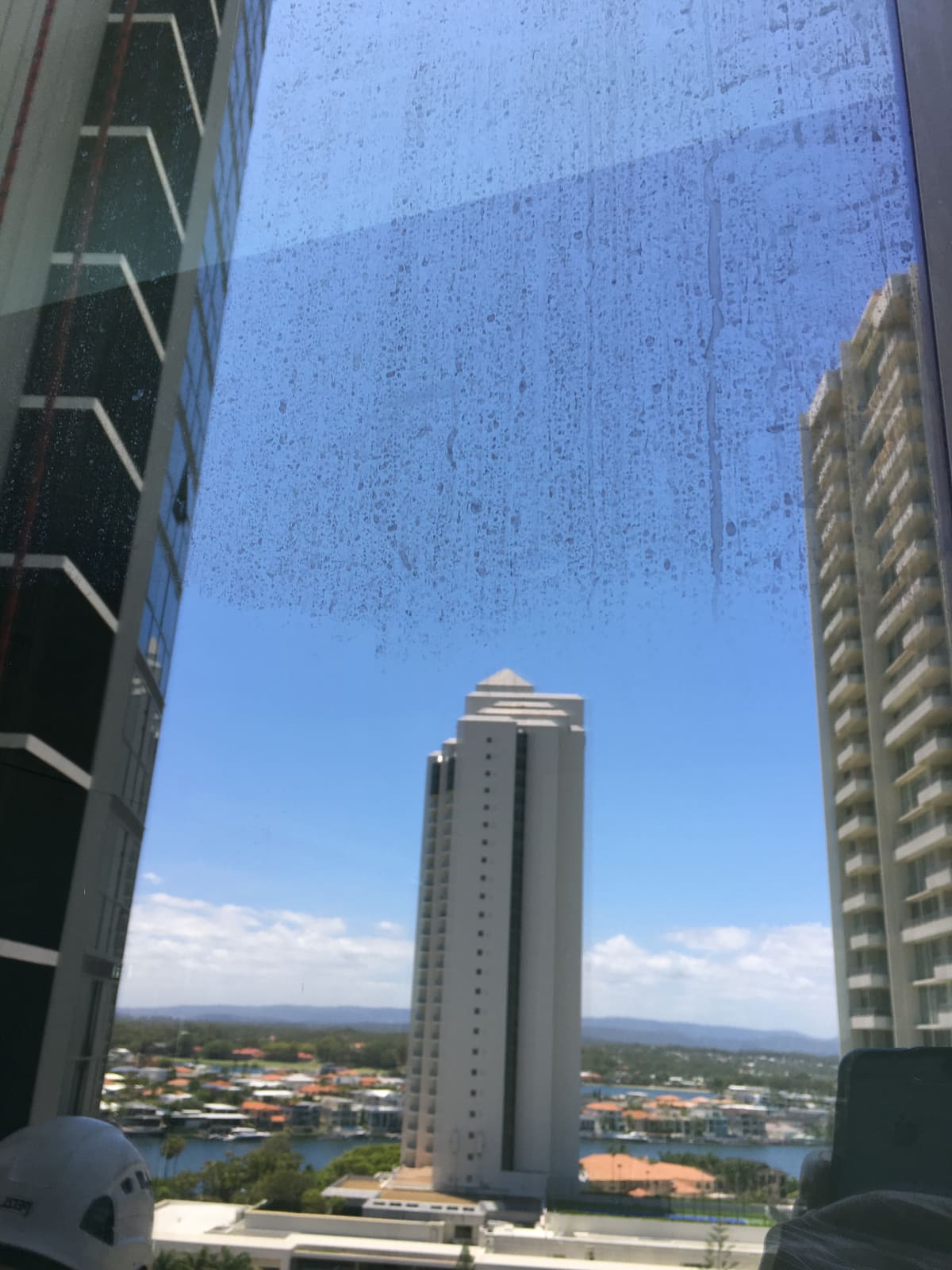
Window cleaning removes dirt and loose contamination. Glass restoration addresses material that has bonded to, reacted with or physically damaged the glass surface. Repeatedly cleaning etched, mineral-stained or scratched glass will often leave the original defect unchanged, and using stronger chemicals, blades or abrasive pads without first identifying the glass and contamination can make the problem worse.
Glass damage on commercial and multi-storey buildings is often located where it is hardest to inspect and treat. Our rope access technicians can reach isolated panes, full elevations, recessed windows and glazing above awnings or podiums without relying solely on large access equipment. Our wider facade capability also helps when staining is being caused by another building defect, such as water running from a failed joint, flashing, concrete edge, planter or drainage point above the affected window. Cleaning the glass without addressing that source may allow the staining to return.
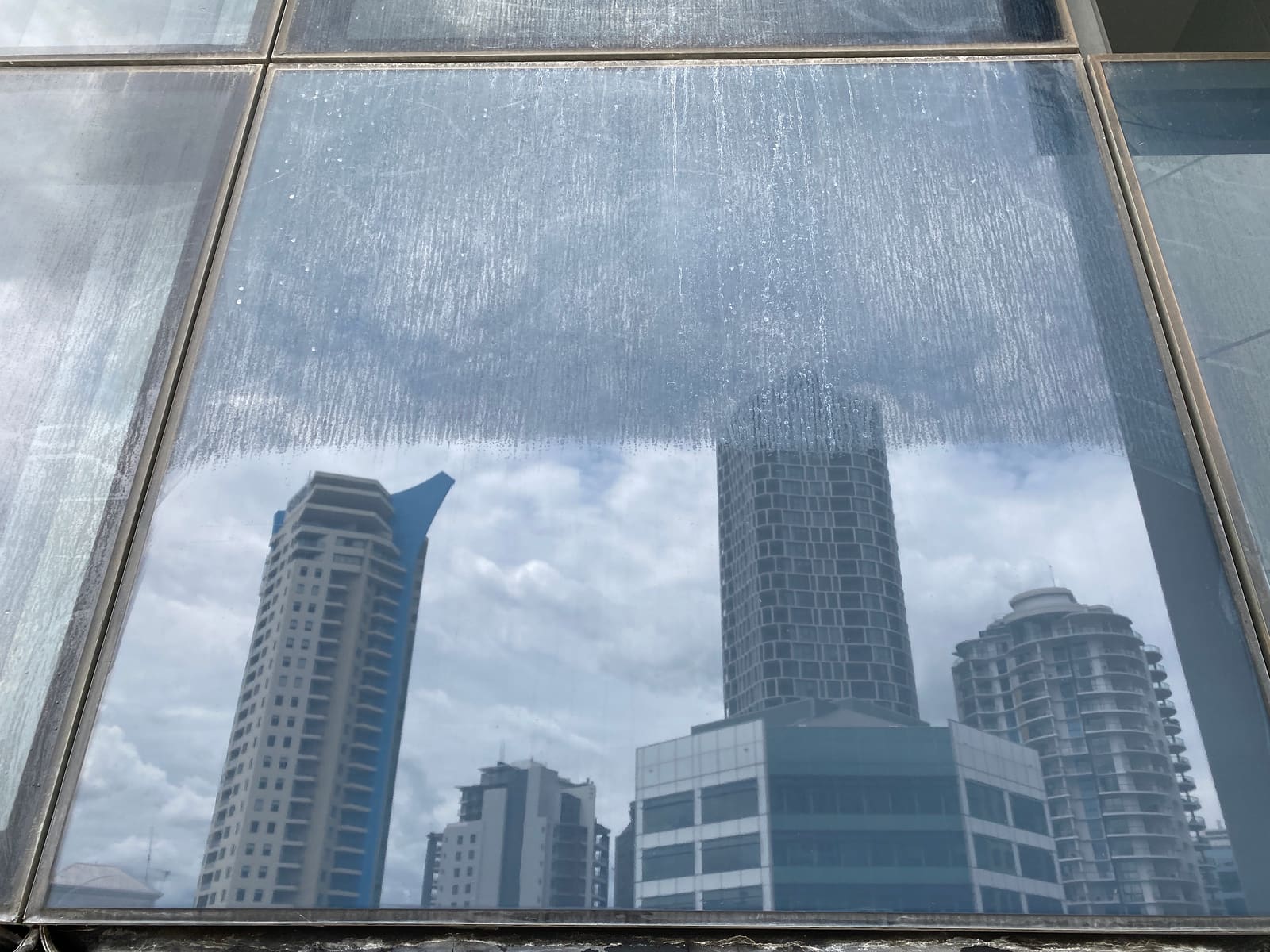
Replacing high-level glass can require specialist access, lifting equipment, traffic control, internal protection and disruption to occupants. When the pane is structurally sound and the damage is limited to the accessible surface, restoration may provide a more practical option.
The right decision is not always restoration. Our role is to assess the defect, demonstrate the likely result and give you enough information to compare repair with glass replacement. This avoids committing to a large restoration program before the finish has been proven. Glass restoration is highly dependent on the individual pane and defect, so we recommend testing before promising a uniform result across an entire building.
Our glass restoration process runs the same way each time:
Services include water stain and hard-water deposit removal, mineral and salt staining treatment, scratched glass repair and polishing, fine scratch removal after construction or cleaning damage, builders cleans for commercial and high-rise glazing, silicone, adhesive and paint residue removal, sample restoration and feasibility testing, and facade glass condition reviews. We help builders and developers, glazing contractors, body corporates and strata managers, building and facility managers, remedial contractors, and owners comparing restoration with the cost and disruption of replacement, across the Gold Coast, Brisbane and South East Queensland.
Safe, compliant, high-quality outcomes through a proven, repeatable process that runs the same way from first call to final sign-off.
We understand the building, the risks and your objectives before any work begins.
Practical, fit-for-purpose solutions that actually work on site, not just on paper.
Clear scope, methodology and expectations agreed up front, no surprises later.
The right people, equipment and documentation ready before day one.
Controlled delivery with clear updates, supervision and quality control throughout.
Formal sign-off, follow-up and a long-term partnership, not a one-off job.































































Trusted by builders, engineers and property managers across South East Queensland and NSW.
“Truly exceptional, if not the most exceptional team of working-at-height experts I've ever worked with. Every job is executed with precision and professionalism.”
“I have to comment on how professional your company's service has been. I have never had a report as thorough as this. I shall highly recommend your services for ongoing works.”
“I cannot speak highly enough of them. Chay and his team have gone out of their way to assist us, nothing is ever 'too hard' and they always carry out the works to the highest standard possible.”
These are the services clients most often pair with this one.
Some scratches can be reduced or removed through controlled polishing. The result depends on scratch depth, glass type, coatings, location and the amount of material that must be removed. A sample repair is recommended before committing to larger areas.
It can be, particularly where the glass is high-level, oversized or difficult to replace. The comparison should consider restoration time, access, replacement glass, lifting, internal disruption and the finish required. Restoration is not suitable for every pane.
Many mineral deposits can be substantially improved or removed. Some long-term staining can chemically etch the surface, which may require polishing and may not disappear completely. Testing establishes the likely result.
It can return if the source of repeated water runoff remains. We may recommend investigating nearby drainage, facade joints, flashings, irrigation or other defects as part of the solution.
Deeper scratches require more glass to be removed, increasing the time required and the risk of optical distortion. Some deep scratches are better managed by replacing the pane. We assess this before proceeding.
Poorly controlled or excessive polishing can create visible distortion. The work should be completed gradually over a suitable area, with the finish checked throughout. Very deep or concentrated damage may not be a good candidate for restoration.
It depends on where the coating is located and whether it has been damaged. Some exposed surface coatings should not be polished. The glass specification should be confirmed where possible and a test area completed before treatment.
Many construction residues can be removed, but the safest method depends on the residue and glass surface. Hardened material, fabrication debris and unsuitable previous cleaning can increase the risk of scratching. We assess and test before broad cleaning.
Yes. We can clean and restore difficult-access external glazing using rope access and other suitable methods. Scope, exclusions, pre-existing damage and sample standards should be agreed before work begins.
No. Restoration can be targeted to individual panes, selected elevations or defined defect categories. On larger projects, a marked elevation or glass schedule helps keep the scope clear.
Yes. Clear photographs may be enough for an initial assessment, but uncertain defects or larger programs usually benefit from an onsite inspection and sample restoration.
No responsible contractor should guarantee this before assessing the glass. We establish the achievable result through inspection and testing, then clearly explain any limitations before the broader scope is approved.
Tell us what you need accessed, inspected, repaired or maintained. We'll come back to you within 24 hours, no fluff, no run-around.